With an infinite number of destinations and pathways before us, I often wonder why so much of this feels so familiar. The drivers in the cars passing by—and those being passed—wear the same look of routine and recognition. There we all are, moving quickly from one familiar place to another, following well-worn routes toward known destinations. But where is the adventure in that?
I’m so grateful to have been blessed with a curious spirit, a seemingly endless tolerance of being in motion, and a modest distain of routines.
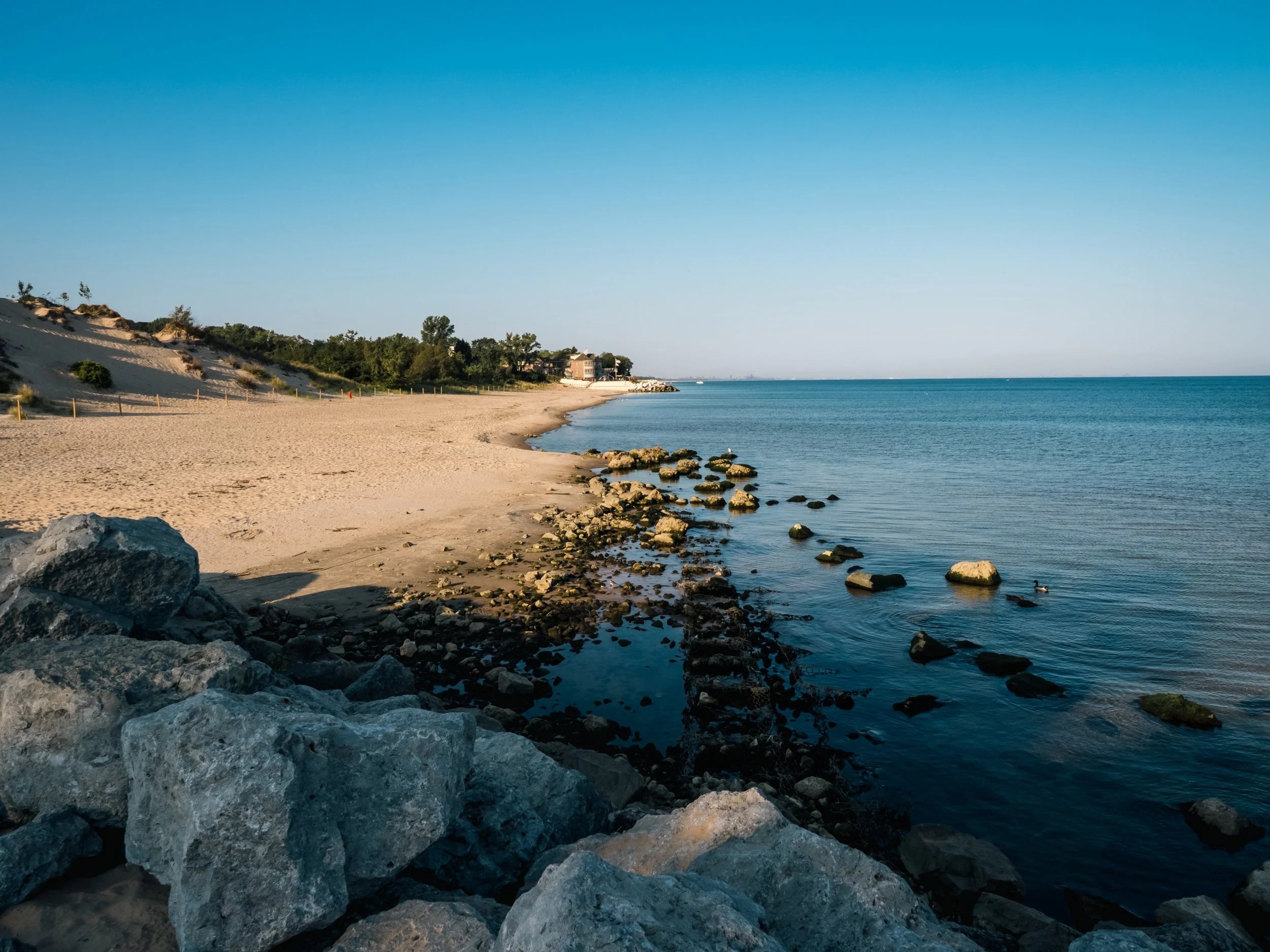
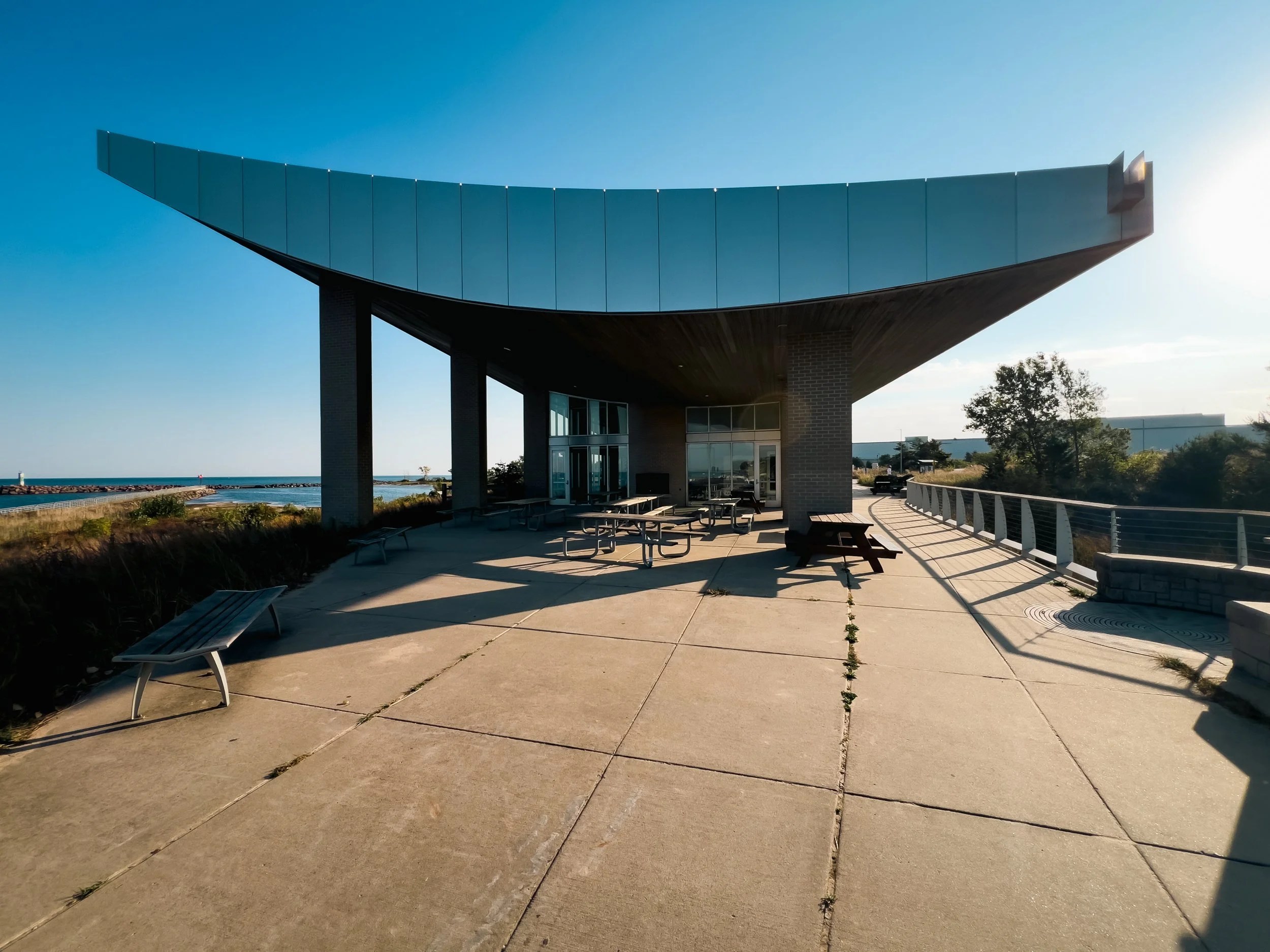
The park was officially closed because the reigning monarch was holding the Federal budget hostage (and blaming everyone but himself). Regardless, this beautiful area along Lake Michigan caught our attention and time as we enjoyed the views and the sand between our toes.
Fireworks in a National Park, throwing your garbage on the ground…so typically and exclusively American.
If you would like to visit this location, here is a precise what3words address, made of 3 random words. Every 10ft square in the world has its own unique what3words address.
Supply-side economics—sometimes called “trickle-down economics”—is built on the idea that if we cut taxes for the wealthy and big businesses, they’ll invest more in the economy, create jobs, and eventually those benefits will “trickle down” to everyone else. Sounds nice in theory, but in reality, it hasn’t worked out that way for most Americans. Time and again, these tax cuts mostly help the richest individuals and large corporations, while everyday workers see little to no benefit. Instead of boosting wages or creating tons of new jobs, the extra cash often ends up in stock buybacks, executive bonuses, or just sitting in the bank.
On top of that, supply-side policies tend to blow big holes in the federal budget. When the government collects less in taxes from the wealthy, it has less to spend on things that actually help people—like roads, schools, healthcare, and public safety. Those services get squeezed, and the burden usually falls hardest on the working and middle class. The truth is, the economy grows more when regular people have money in their pockets to spend. That drives demand, which in turn drives job growth. For these reasons, supply-side economics is not well-suited to the needs of a modern, diverse, and interconnected American economy.