buildings

  • The Magic Of Oz

    There’s a particular kind of pride that comes from loving a place other people have never heard of. Oswego is, in its own way, a postcard townโ€”its shoreline on Lake Ontario offers views worth stopping for, all along the city’s edge. It’s also a college town with the same everyday mix of shops, diners, schools, and neighborhoods you’d find in any small city. Ask anyone who grew up here, and you’ll hear the same thing: there’s something about this town.

    I took this photograph from the old railroad bridge, now just a footpath, that spans the Oswego Riverโ€”a structure that once carried freight and now carries walkers, joggers, and people like me chasing light. From up there, you can see why Oswego is here at all, laid out at once: some buildings that have watched the river for generations, the water moving steadily toward the lake, and at the very end of the frame, small but unmistakable, the lighthouse standing watch over the harbor.

    The Iroquois called this spot osh-we-gehโ€””pouring-out place”โ€”and for good reason: whoever controlled this river mouth controlled the route between the lake and everything inland. Just east of the harbor sits Fort Ontario (hidden from view in this photograph by progress), rebuilt again and again since 1727 because the ground mattered enough to keep fighting over. Centuries later, in 1944, that same fort became the only place in America to shelter refugees fleeing the Holocaustโ€”people finding safe harbor at the very spot where the river empties into the lake.

    People are fond of their hometowns in a way that’s hard to fully explain to someone who didn’t grow up there. It’s not that Oswego is the biggest or the most photographed place on earthโ€”it’s that it’s mine. This is the Oz I know: postcard-pretty in places, quietly historic in others, and, from the right vantage point on the right evening, absolutely magic.

    Contributor:

    In


  • Spyder Time

    After 200+ miles on the Gold Wing yesterday, I was ready to trade speed for something slower and more deliberate. That meant riding the Can-Am Spyder F3 with the Panasonic Lumix S9 readily available from the storage area above the handlebars. I was now ready to pull over quickly, make rapid U-turns, and navigate dirt roads without hesitation. All images are straight out of the camera without edits.


    Mexico Primitive Cemetery

    Since this interesting place was still catching some low-angle morning sunlight, I maneuvered the Spyder along the dirt car path that passed through the cemetery.


    Happy Valley Overlook

    I don’t know exactly what this spot is called or what purpose it actually serves. But along route 104 as you approach the Happy Valley Wildlife Management Area, this quick pullover always provides something different as it goes from lake to swamp to field across the course of the Summer.


    Happy Valley Wildlife Management Area

    There are plenty of roads to travel within this area, but many are a bit too rough for the Spyder. I stayed only long enough to enjoy one of the main roads while also ensuring that I didn’t bleed out from all of the mosquitoes.

    (more…)

    Contributor:

    In


  • Pleasant Hill

    The clichรฉ is that Kansas is flat and you can see for miles. The truth is that the clichรฉ is correct.

    A long, considerably straight drive eventually delivered us to the Pleasant Hill Cemetery to offer our respects to relatives.

    Before leaving, I spent several minutes standing in the middle of the intersection, photographing the scene in every directionโ€”two intersecting roads, one small seemingly abandoned building, and about 50 headstones. It felt strangely unnatural. From childhood, weโ€™re taught that the middle of an intersection is precisely where we should never linger. Cross quickly, stay alert, and donโ€™t become part of the traffic report. But in Green, Kansas, where the Pleasant Hill Cemetery is located, the rules seem a little different. You can see approaching traffic from so far away that you have ample time to finish your photograph, check your camera settings, reconsider your composition, and perhaps even contemplate a few of lifeโ€™s bigger questions before a vehicle arrives. The intersection may not have been designed as a scenic overlook, but on that day, it served the purpose remarkably well.

    And for the 90 (or so) minutes we were there, there was no traffic.

    (more…)

    Contributor:

    In


  • Eat At Joe’s

    Stepping out of the hot street in downtown Nashville and into a small diner, the clock on the wall quietly proclaimed, โ€œEat at Joeโ€™sโ€.

    That phrase has become as much a part of American roadside culture as chrome stools, bottomless coffee cups, and handwritten specials on a chalkboard. To generations of travelers, myself included, it evokes memories of small-town diners, family road trips, and the simple pleasure of finding a welcoming place to pause along the way. Even those who have never stopped at a diner named Joeโ€™s have likely encountered the slogan somewhere before. It feels instantly recognizable as it belongs to a shared memory of Americaโ€™s highways and back roads.

    Like many other memorable pieces of Americana, โ€œEat at Joeโ€™sโ€ has a story of its own.

    The phrase is believed to have originated in the 1930s when a small restaurant owner named Joe in California was struggling to attract customers. According to popular accounts, a pilot friend began flying overhead with a banner encouraging people to โ€œEat at Joeโ€™s.โ€ Whether every detail of that story is perfectly accurate has been debated over the years, but what is certain is that the slogan quickly captured the public imagination.

    By the middle of the twentieth century, โ€œEat at Joeโ€™sโ€ had become a cultural icon. The phrase appeared on signs, menus, advertisements, clocks, postcards, cartoons, and movie sets. It was no longer advertising a particular restaurantโ€”it had become a symbol for every diner, cafรฉ, and roadside eatery that welcomed hungry travelers. Its meaning expanded beyond a place to eat and became shorthand for hospitality, comfort, and the uniquely American tradition of discovering memorable places between destinations.

    Today, seeing those three simple words still conjures images of open roads, neon lights, and small-town diners where the coffee is always hot and the stories are often as rich as the homemade pie. For travelers, photographers, and wanderers alike, โ€œEat at Joeโ€™sโ€ serves as a reminder that some of the most memorable moments are found not at the end of the journey, but somewhere along the way.

    Contributor:

    In


  • September Lines

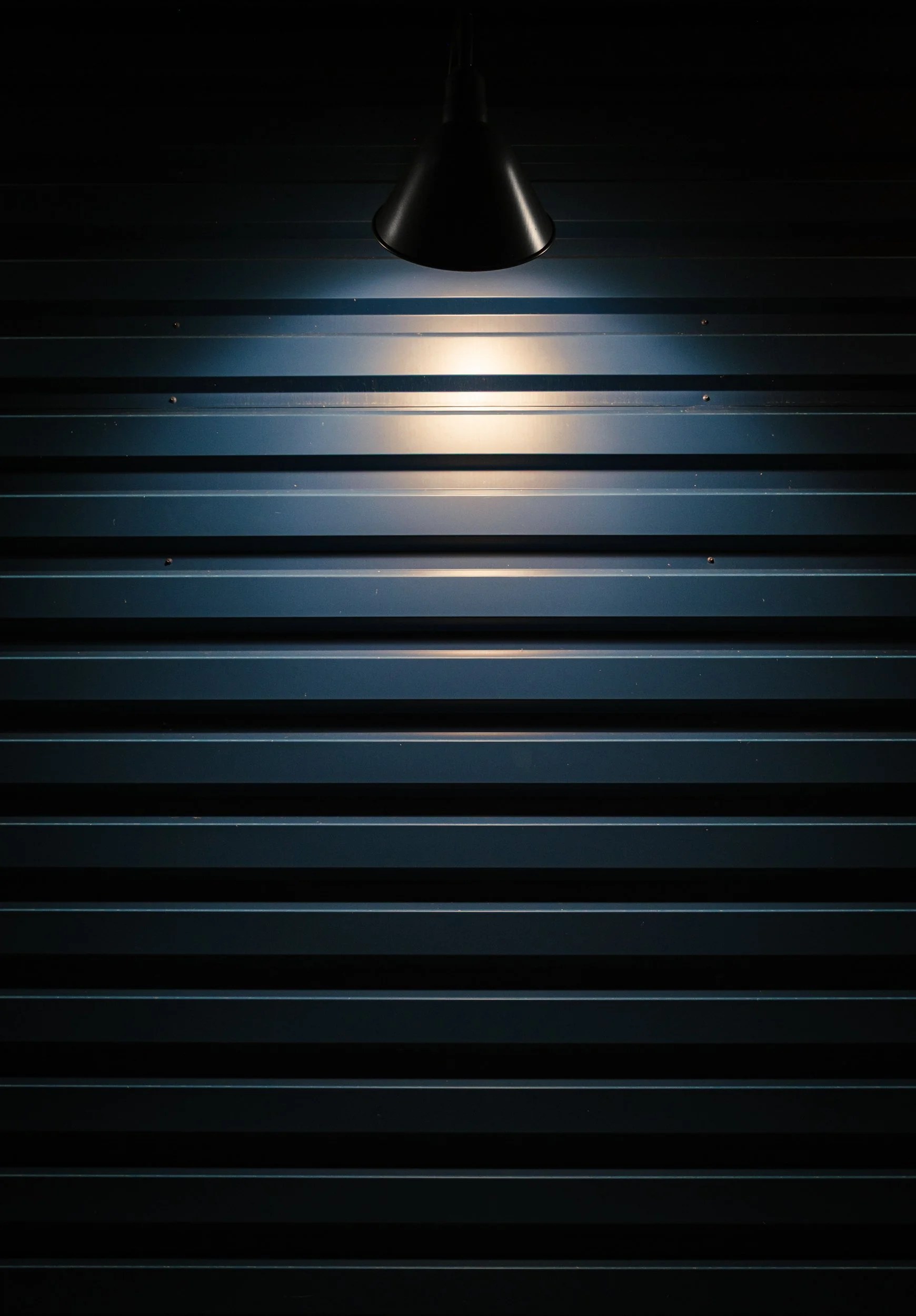
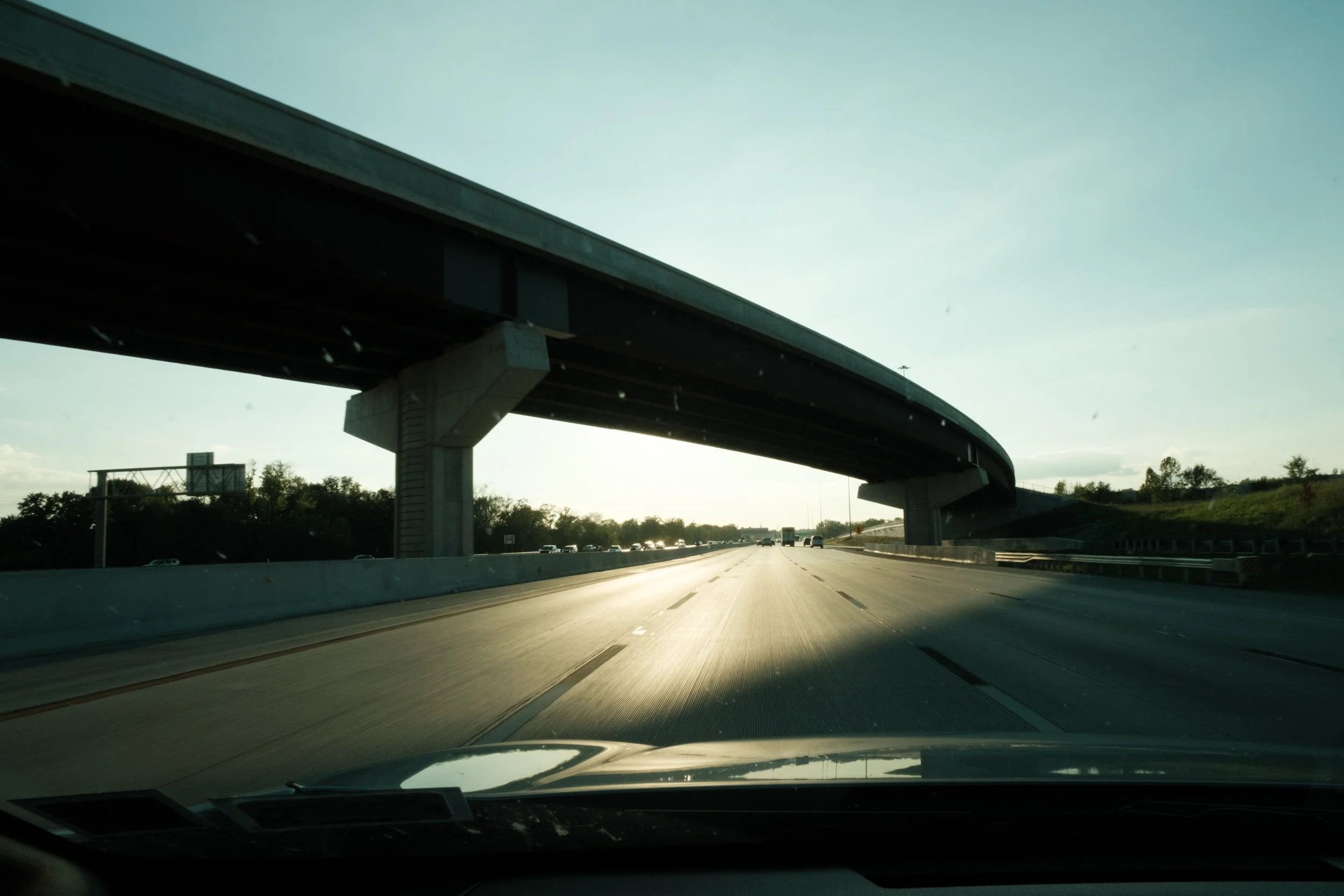
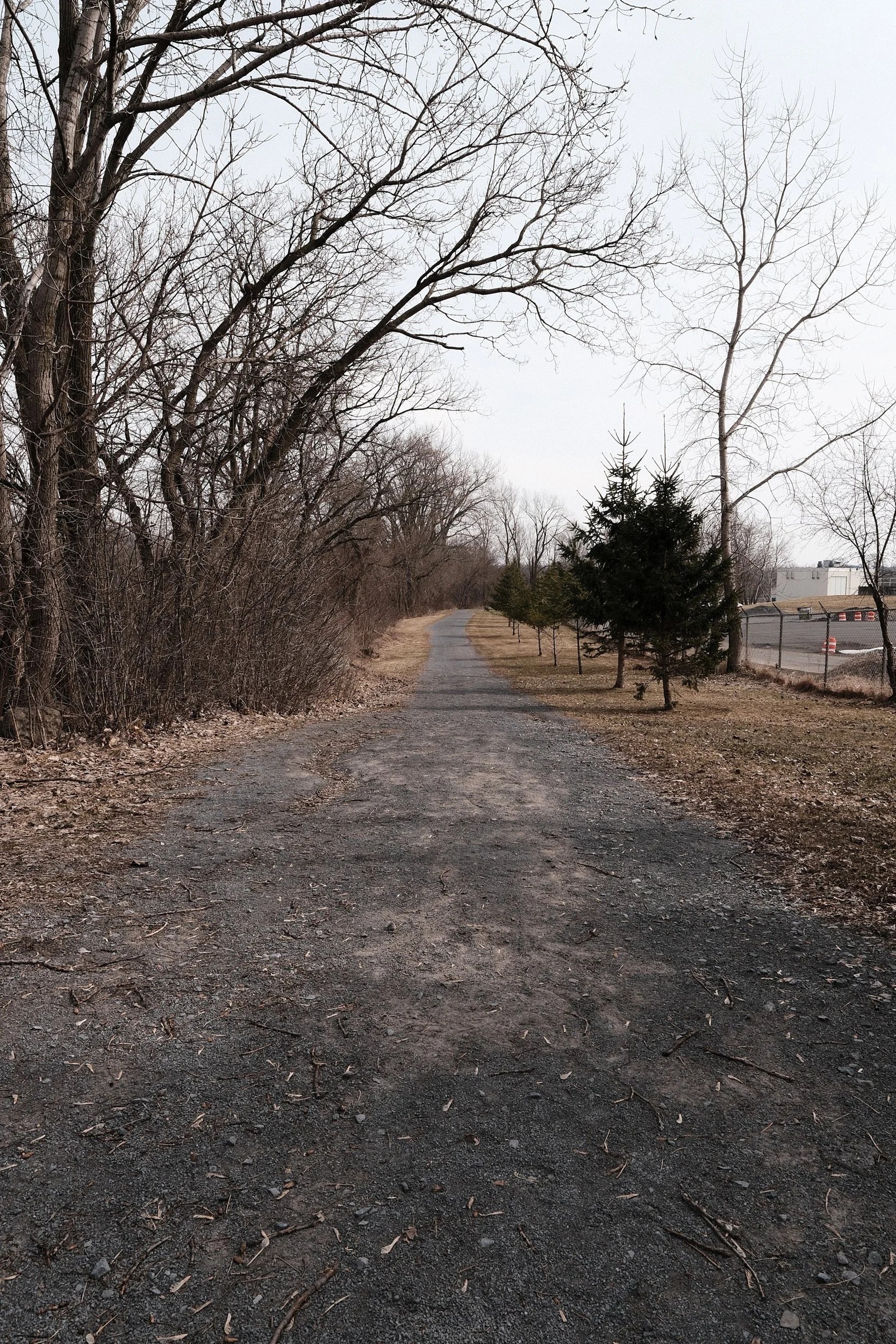
    Between Syracuse and Terre Haute, these were some lines that caught my attention.

    Contributor:

    In


  • Grandparent’s Farm

    The place is still standing. I guess that counts for something.

    (more…)

    Contributor:

    In


  • Supply-Side Economics

    Supply-side economicsโ€”sometimes called โ€œtrickle-down economicsโ€โ€”is built on the idea that if we cut taxes for the wealthy and big businesses, theyโ€™ll invest more in the economy, create jobs, and eventually those benefits will โ€œtrickle downโ€ to everyone else. Sounds nice in theory, but in reality, it hasnโ€™t worked out that way for most Americans. Time and again, these tax cuts mostly help the richest individuals and large corporations, while everyday workers see little to no benefit. Instead of boosting wages or creating tons of new jobs, the extra cash often ends up in stock buybacks, executive bonuses, or just sitting in the bank.

    On top of that, supply-side policies tend to blow big holes in the federal budget. When the government collects less in taxes from the wealthy, it has less to spend on things that actually help peopleโ€”like roads, schools, healthcare, and public safety. Those services get squeezed, and the burden usually falls hardest on the working and middle class. The truth is, the economy grows more when regular people have money in their pockets to spend. That drives demand, which in turn drives job growth. For these reasons, supply-side economics is not well-suited to the needs of a modern, diverse, and interconnected American economy.

    Contributor:

    In


  • Stubborn Stagnation

    Here is a precise what3words address, made of 3 random words. Every 10ft square in the world has its own unique what3words address.

    ///hike.autofocus.daytime

    https://w3w.co/hike.autofocus.daytime

    43.566933, -76.127548

    43ยฐ34’0.9588″N, 76ยฐ7’39.1728″W

    43ยฐ34.01598’N, 76ยฐ7.65288’W

    Contributor:

    In


  • Bicentennial March

    You can find and hike this interesting trail along the famous Black River by following these directions:

    Here is a precise what3words address, made of 3 random words. Every 10ft square in the world has its own unique what3words address.

    ///star.method.newest

    https://w3w.co/star.method.newest

    43.987212, -75.926503

    43ยฐ59’13.9632″N, 75ยฐ55’35.4108″W

    43ยฐ59.23272’N, 75ยฐ55.59018’W

    Contributor:

    In


  • Bastion

    Iโ€™ve been photographing this house for many years. Often, it is abandoned. But there have been times when people have been making an attempt to call this home, resulting in modest changes to its appearance. Today it was empty and cold.

    Here is a precise what3words address, made of 3 random words. Every 10ft square in the world has its own unique what3words address.

    ///noted.reception.sustaining

    https://w3w.co/noted.reception.sustaining

    43.778043, -76.200586

    43ยฐ46’40.9548″N, 76ยฐ12’2.1096″W

    43ยฐ46.68258’N, 76ยฐ12.03516’W

    Contributor:

    In


Recent Chronicles


Explore Topics

abandoned adirondack mountains adirondack park adirondacks adk ak alaska altmar ny animals antiques art automobiles beach black and white boats bridges buildings cars church classic chrome clouds cruise dirt road fall family farms fences fields flowers fog friends fujifilm glass grass green happy valley ny hdr houses ice iPhone jpg kimberly lake lake ontario leaves lights mazda mexico ny motorcycles mountains museums new york nikon ny nys olympus onondaga county ny oswego county ny oswego ny panorama park pennsylvania people plants rain reflections restaurants rivers roads rocks sand seasonal signs sky snow sony rx100M6 sooc state park steel steven j tryon stones streams sun sunlight sunset syracuse ny travel trees upstate ny vehicles walkabout walkabout chronicles water waterfalls waves weeds windows winter x100f x100v


Walkabout Chronicles Journal RSS