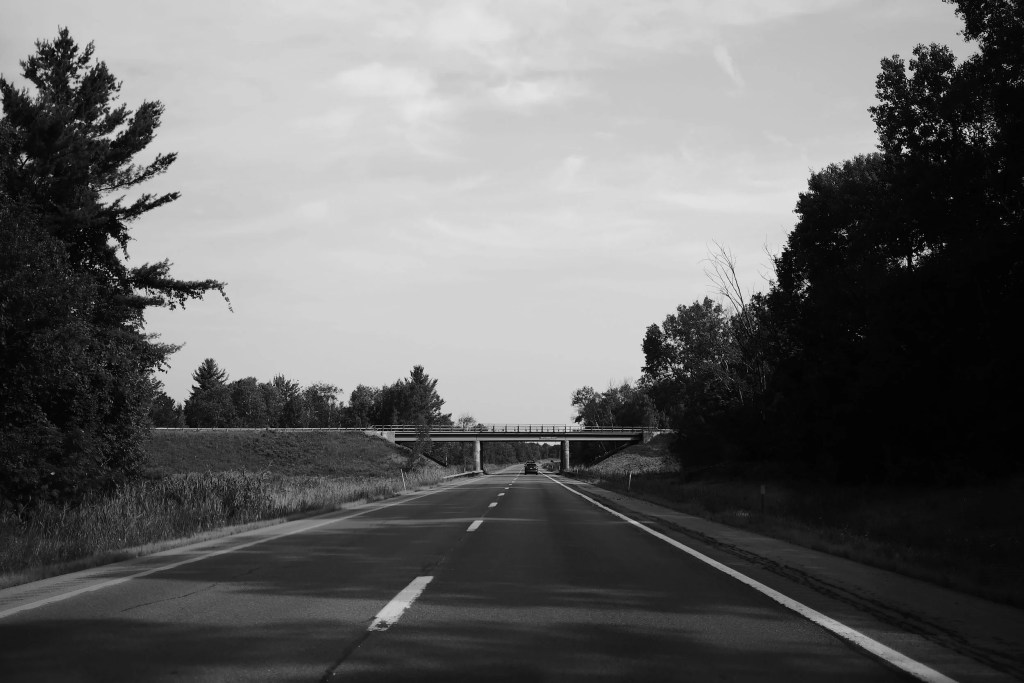
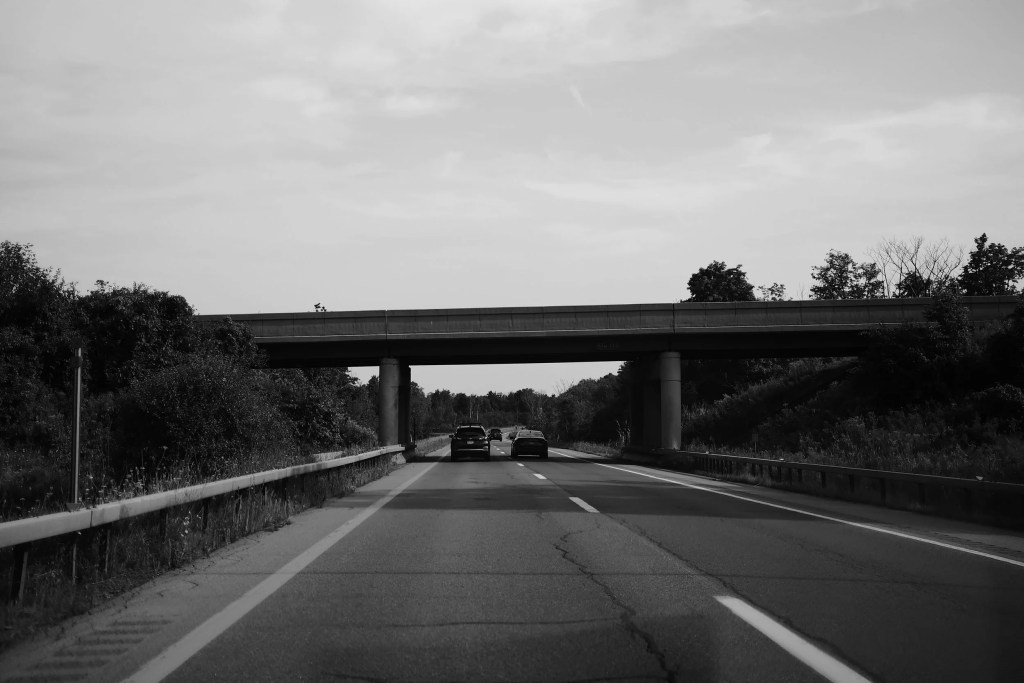
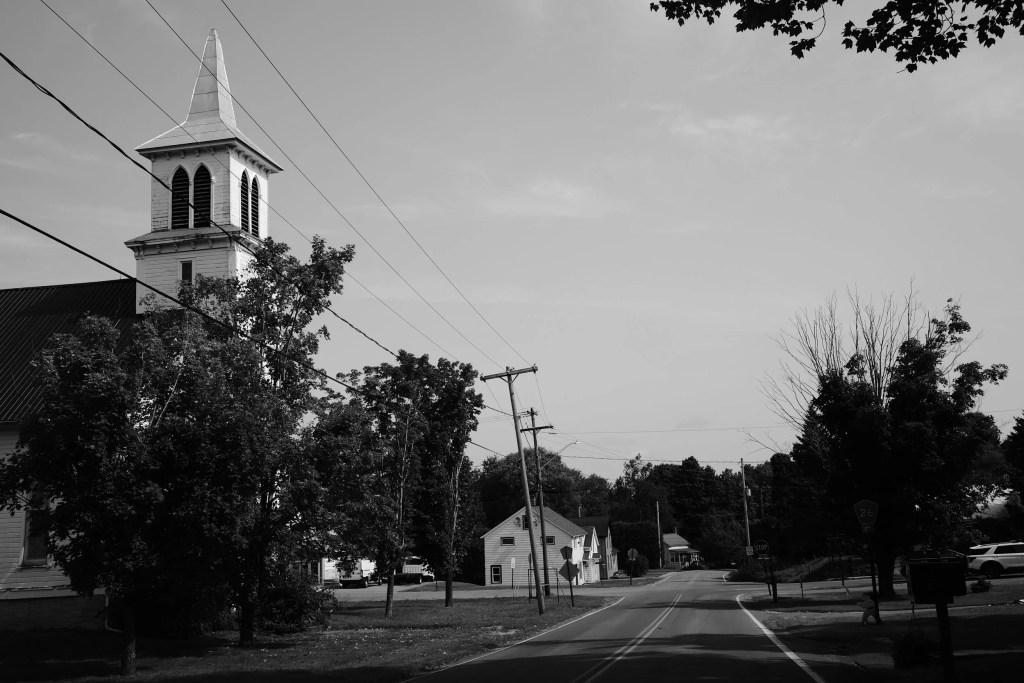
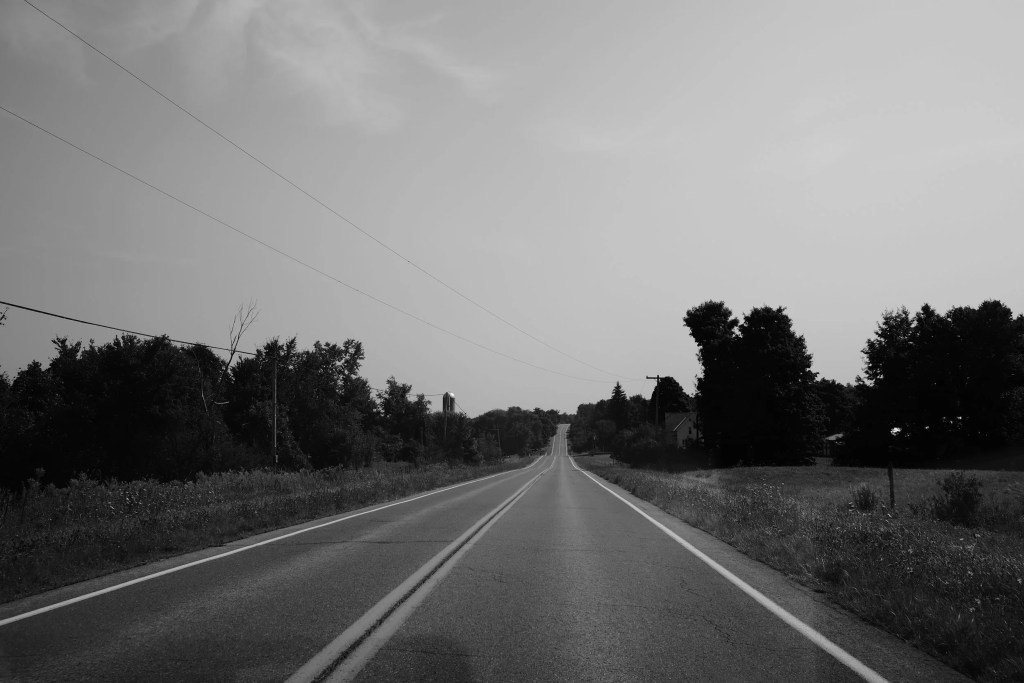
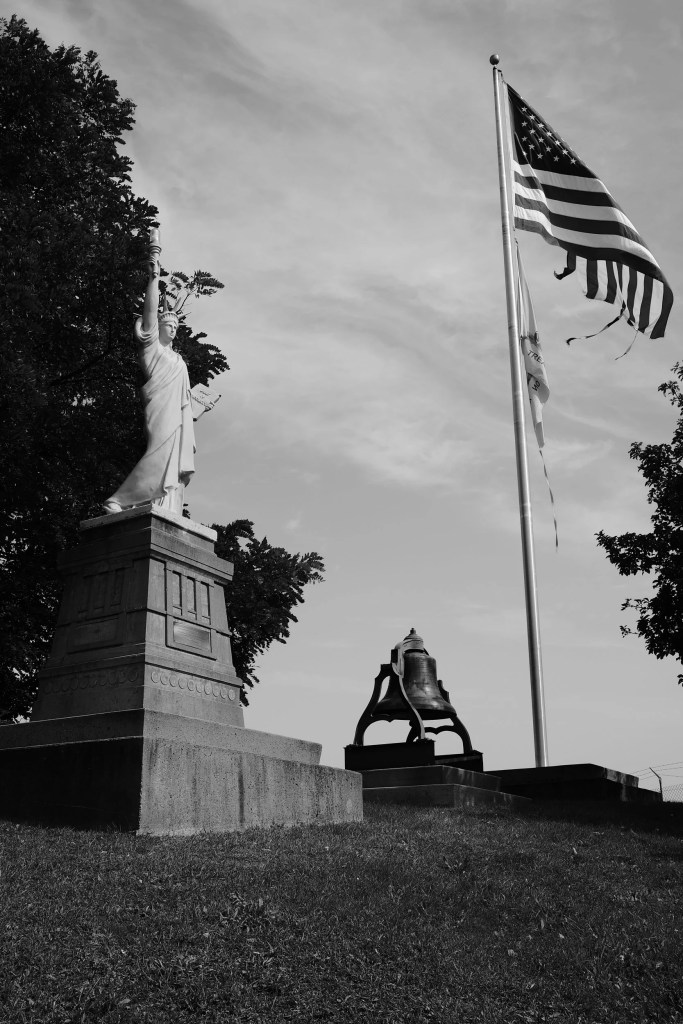
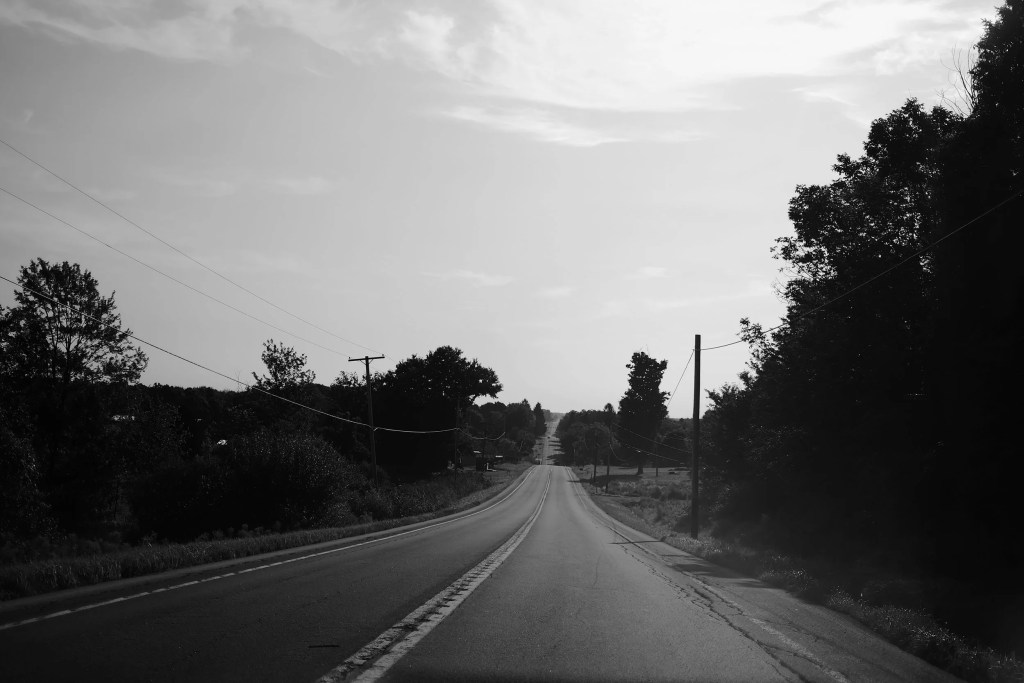
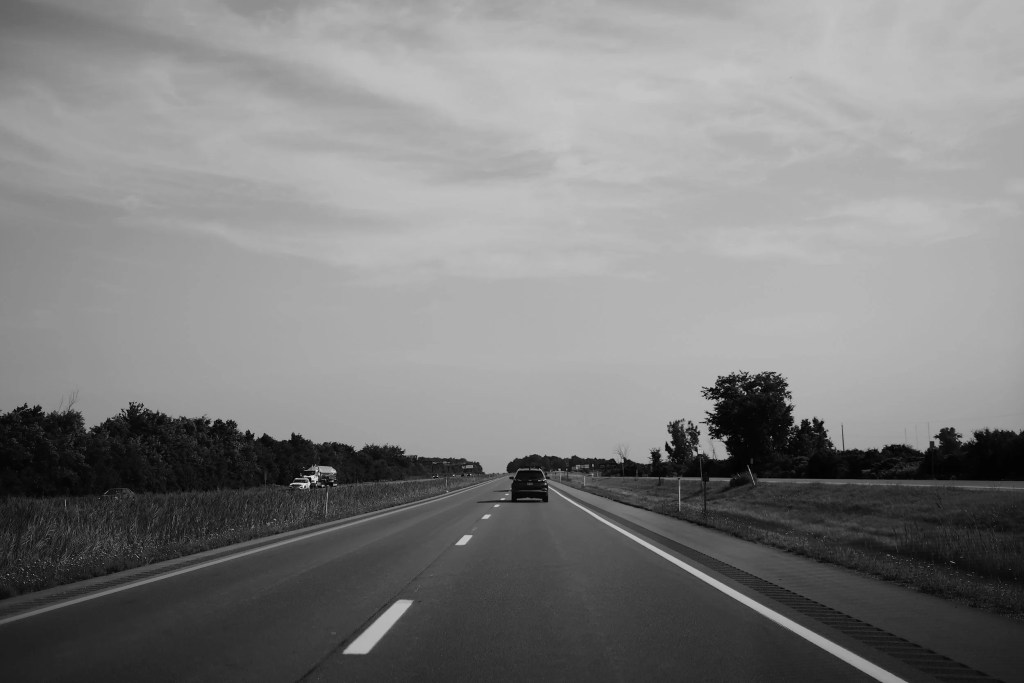
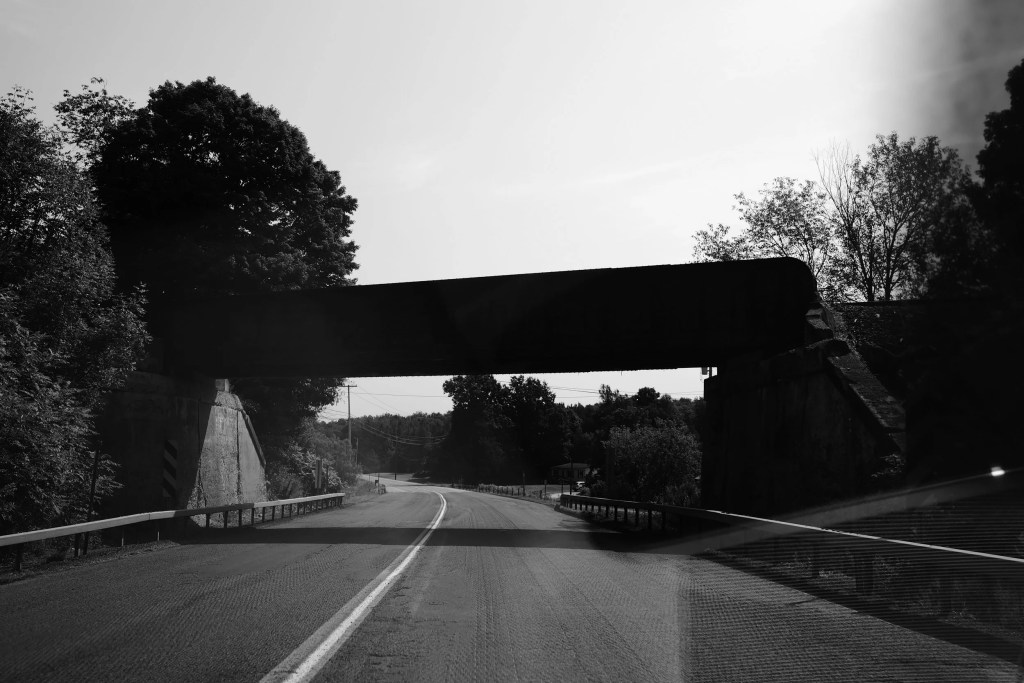
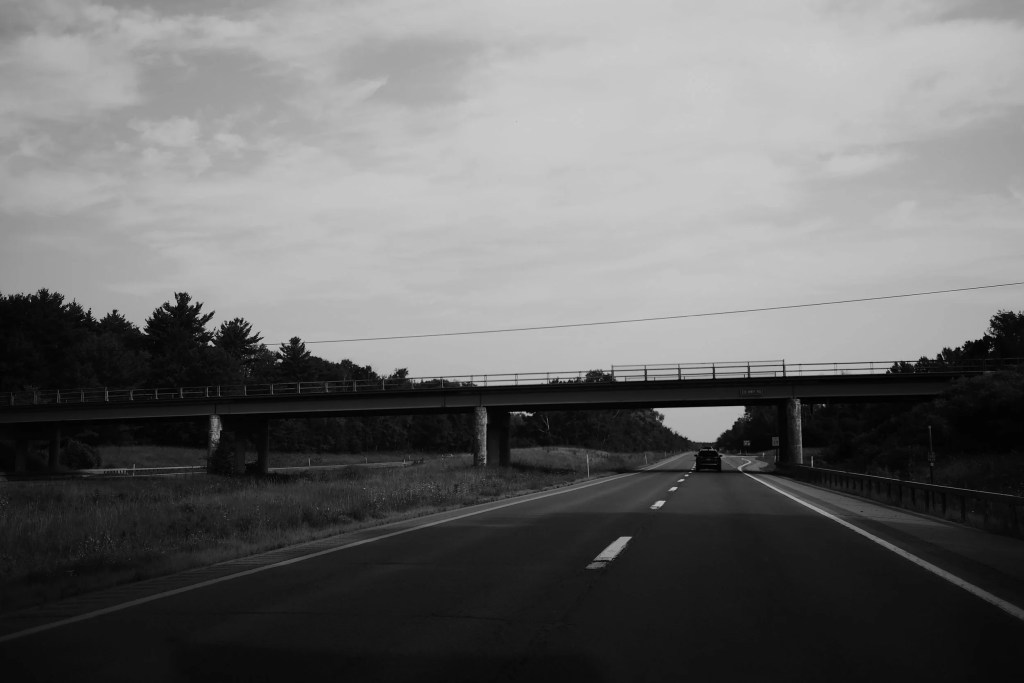
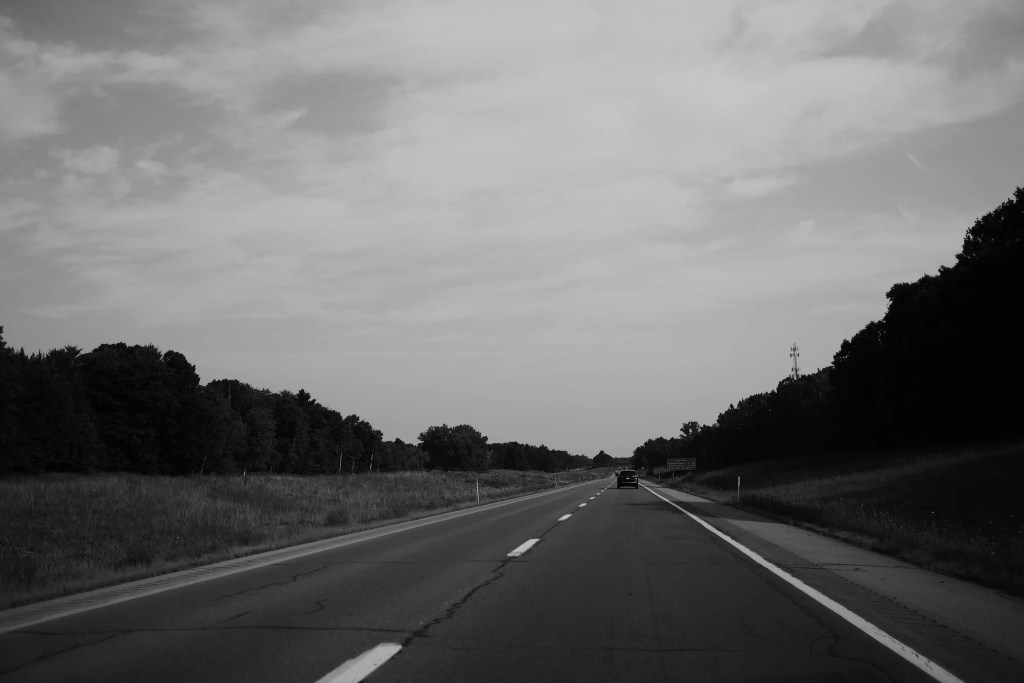
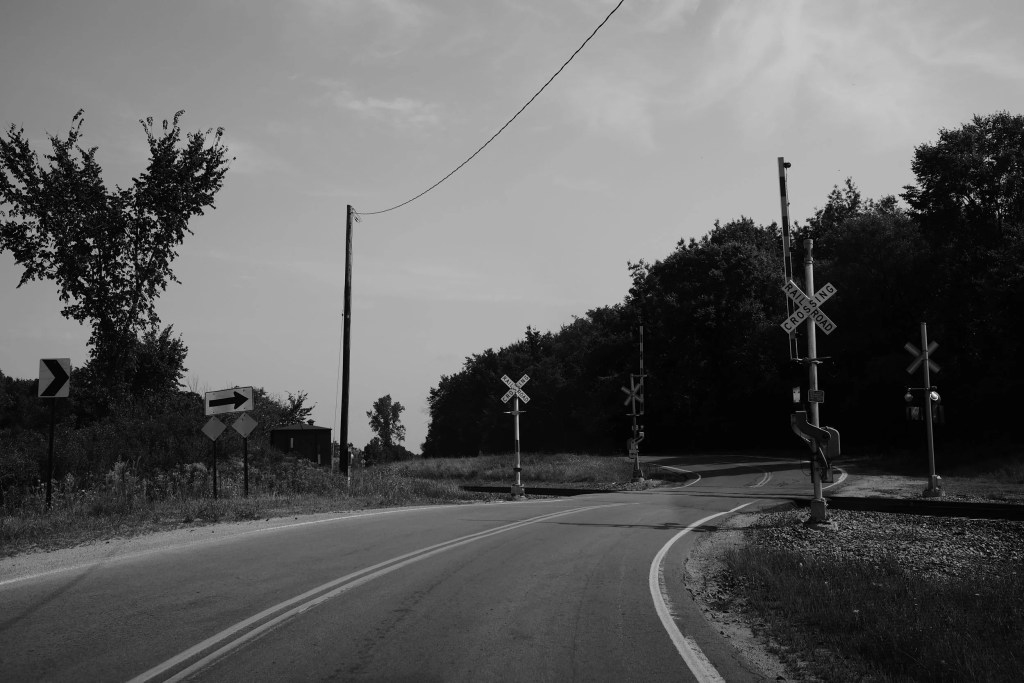
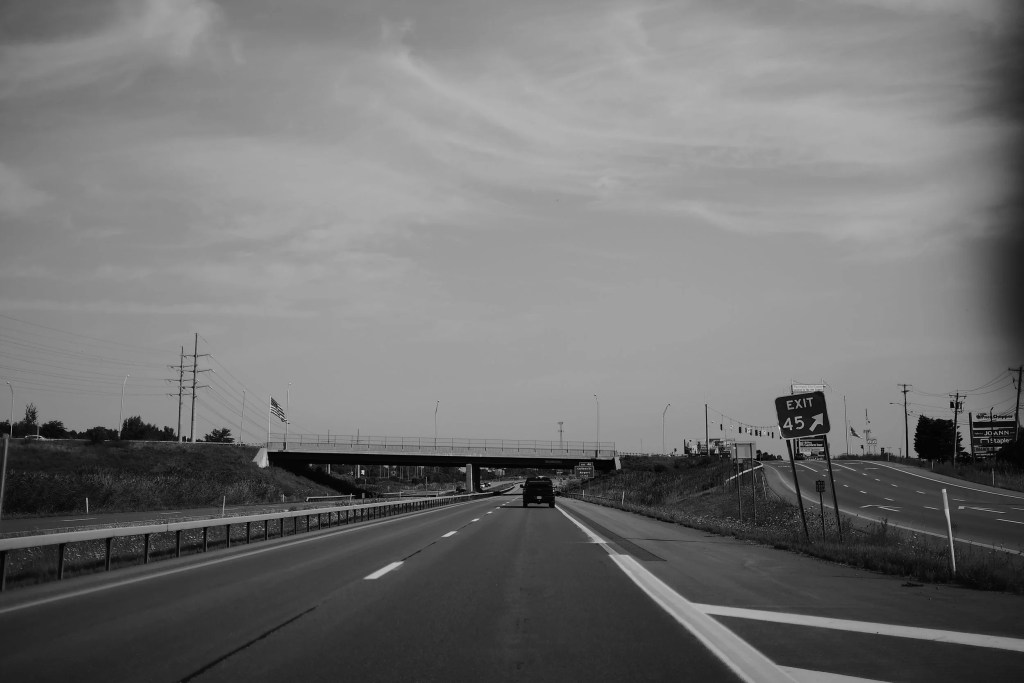
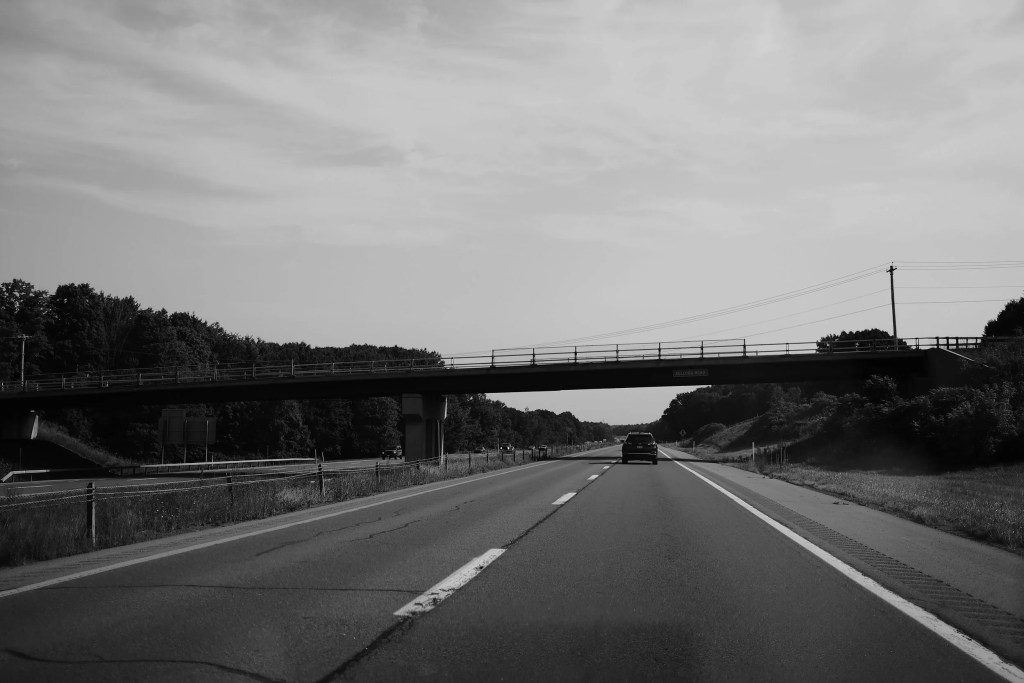
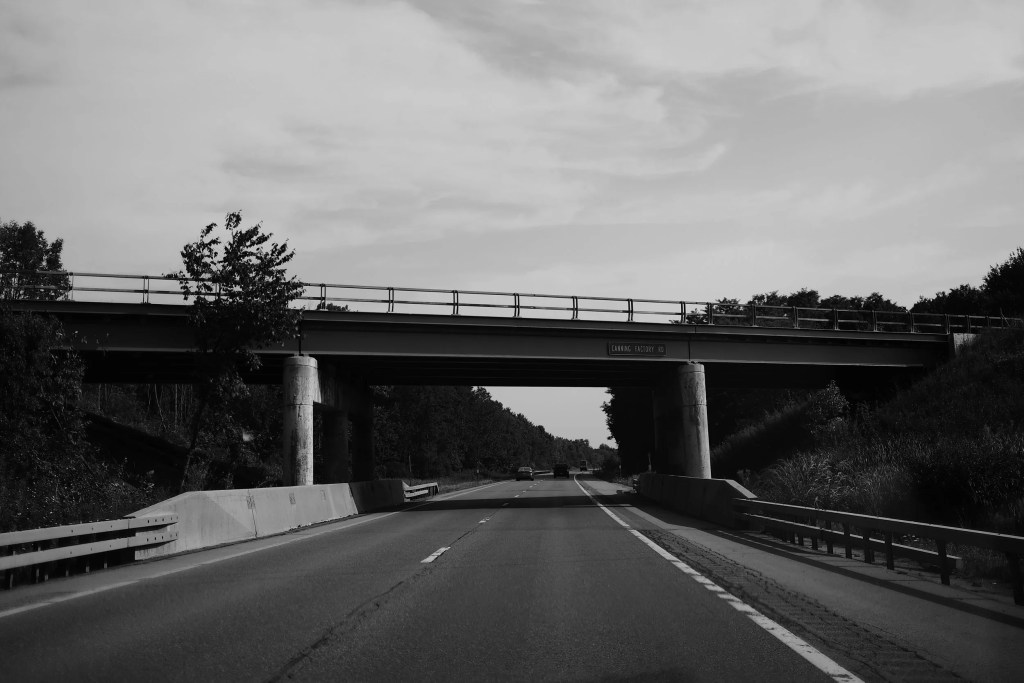
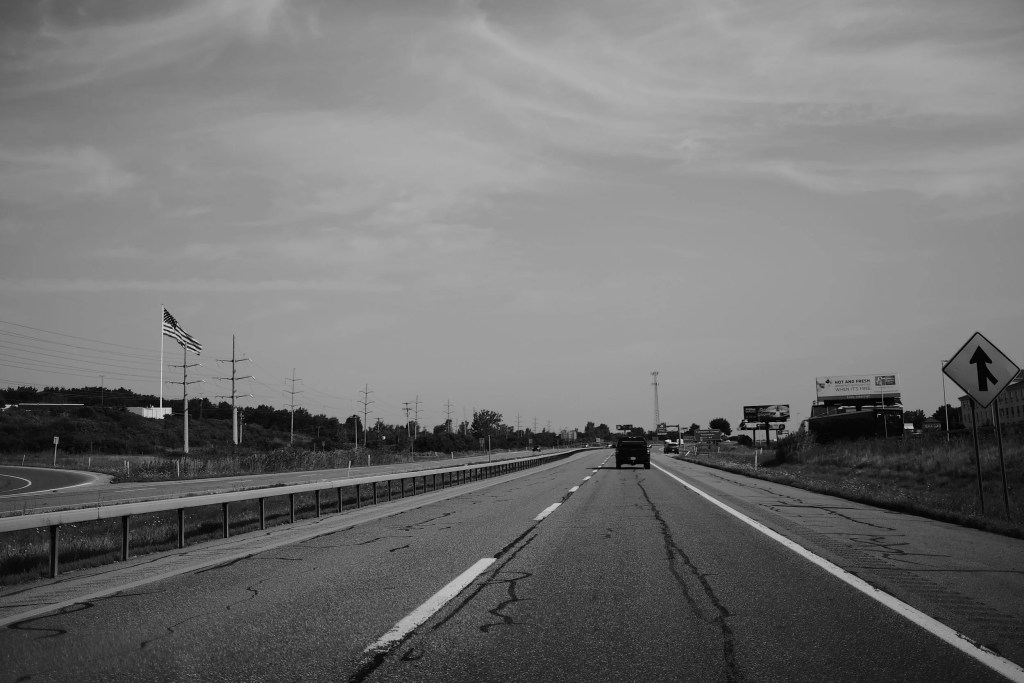
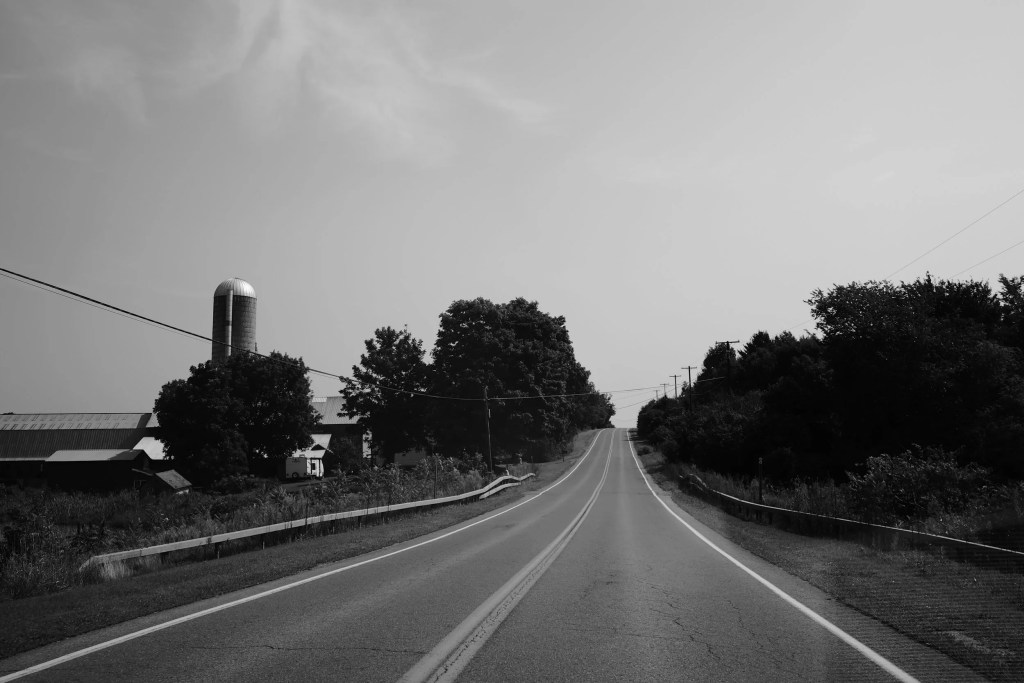
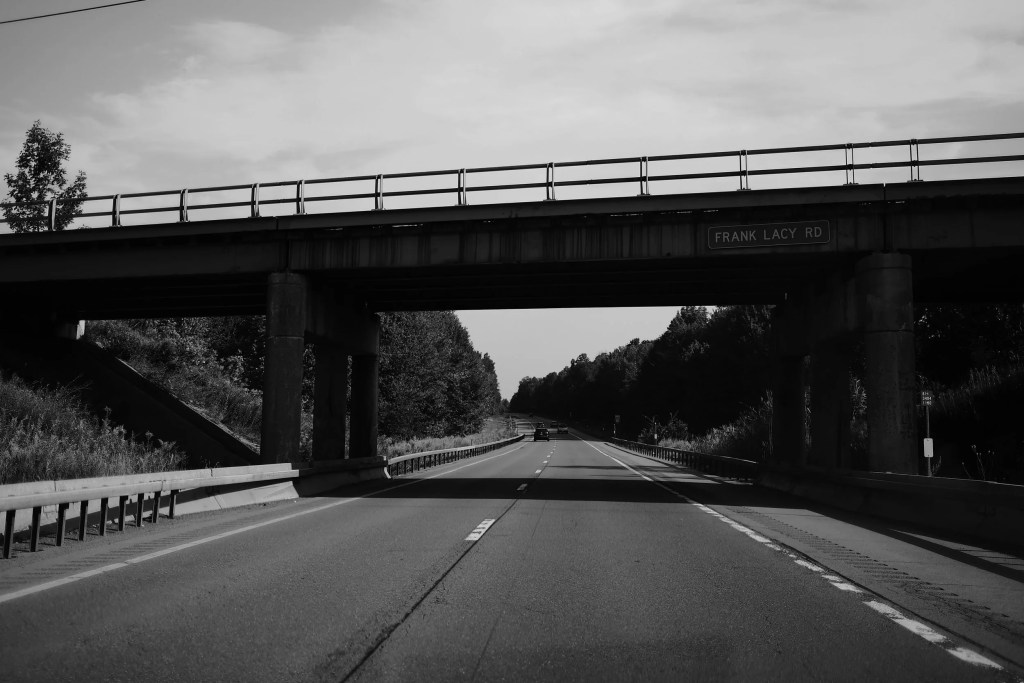
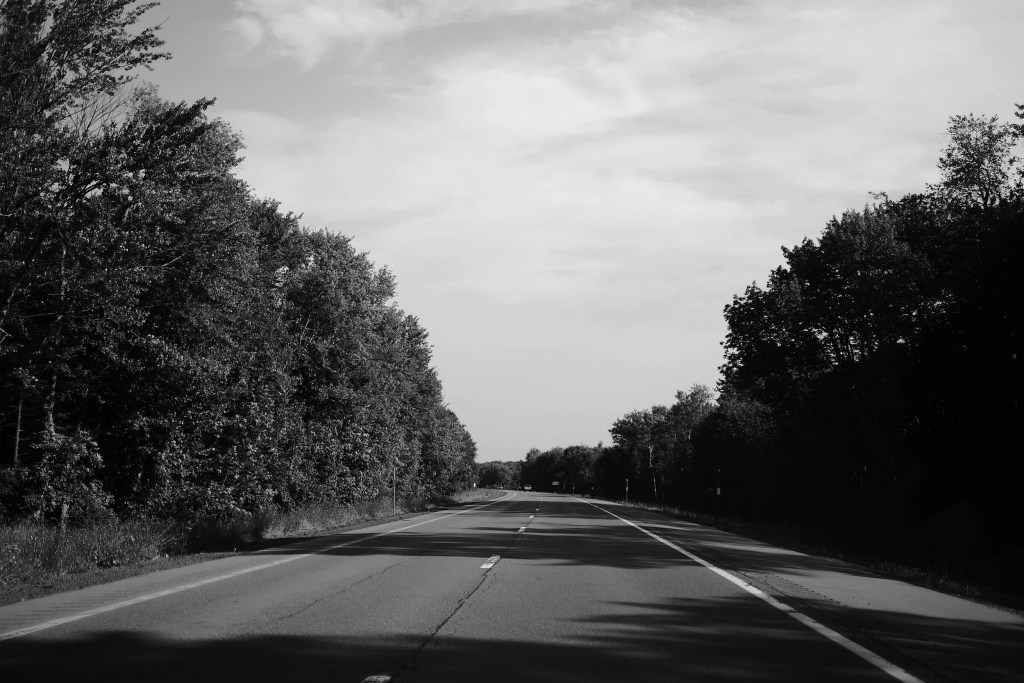
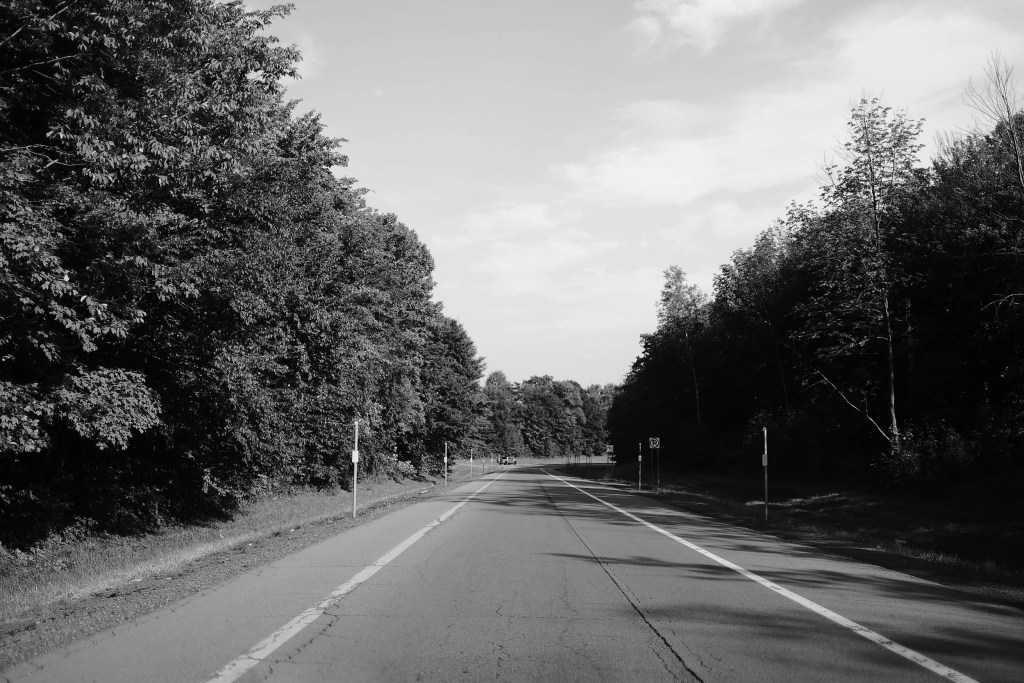
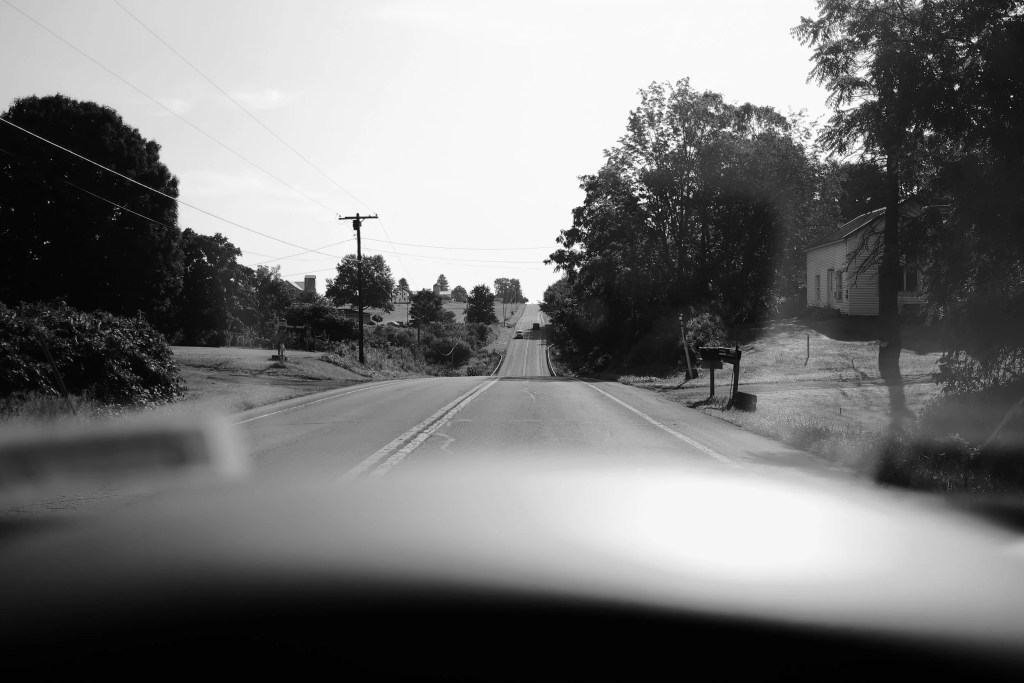
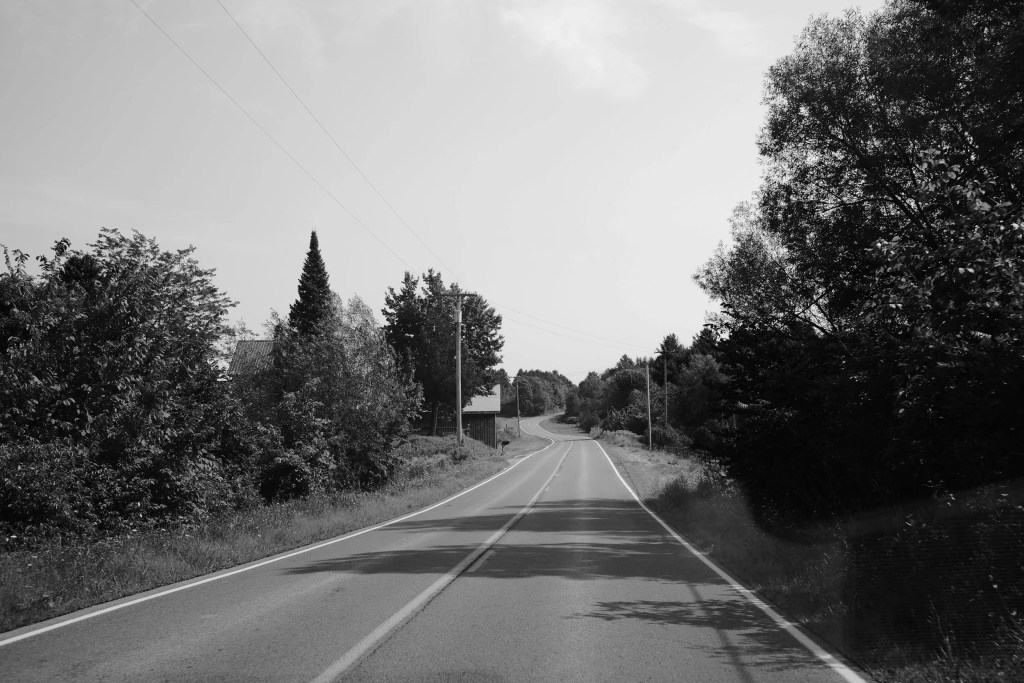
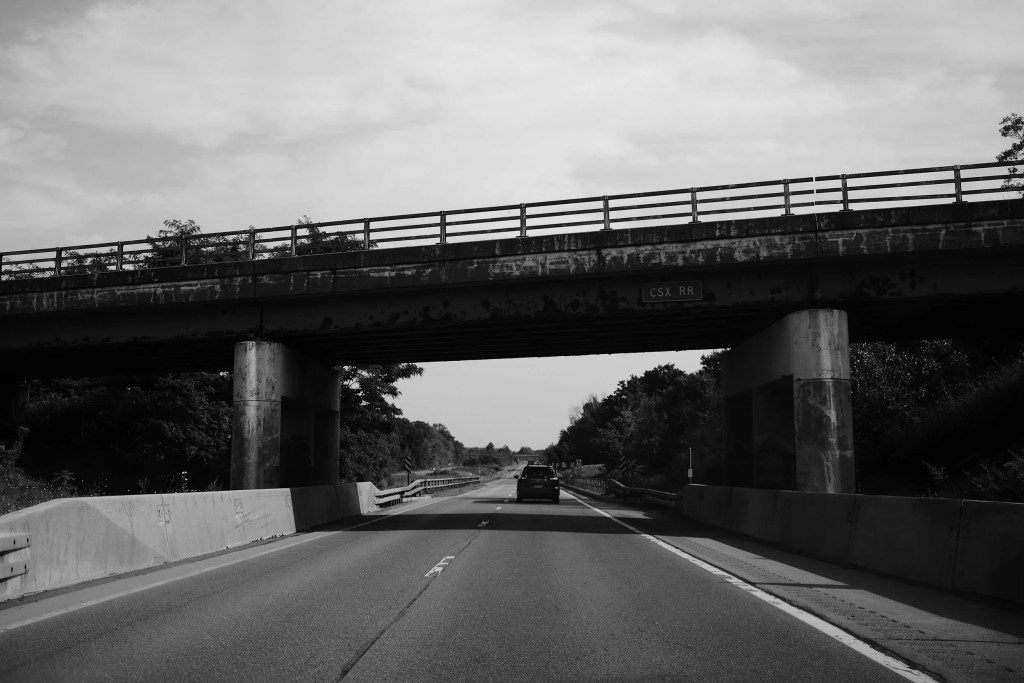
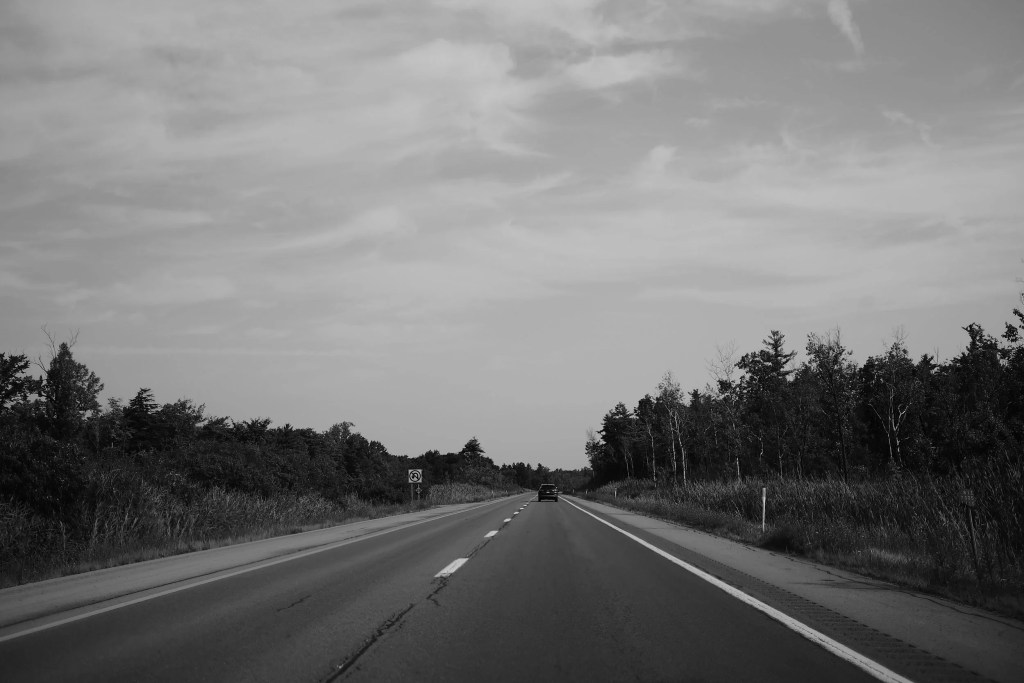
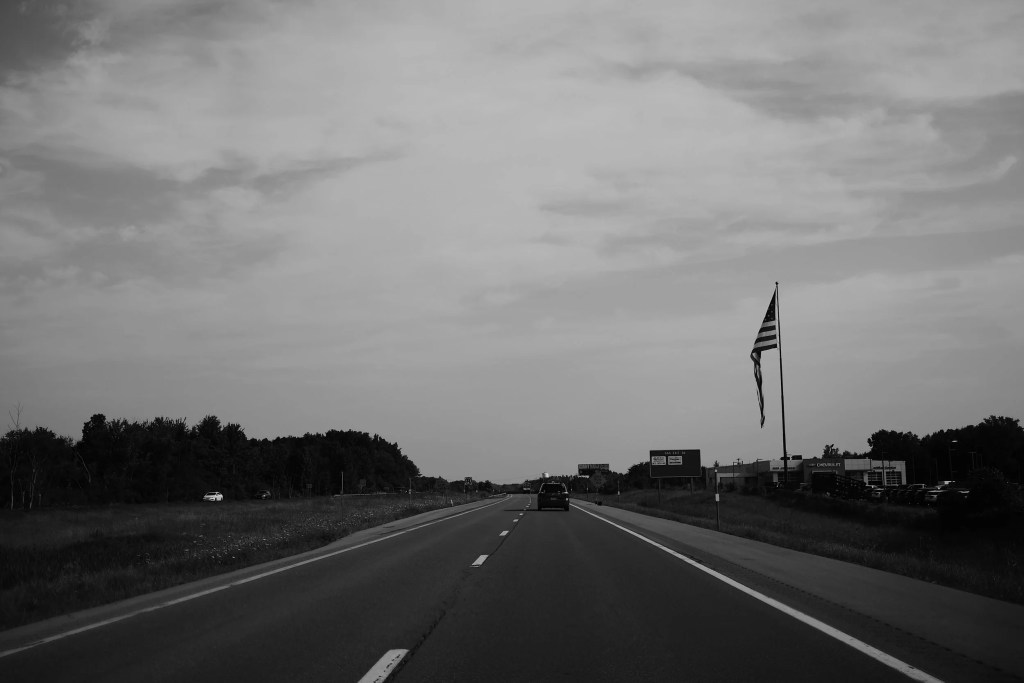
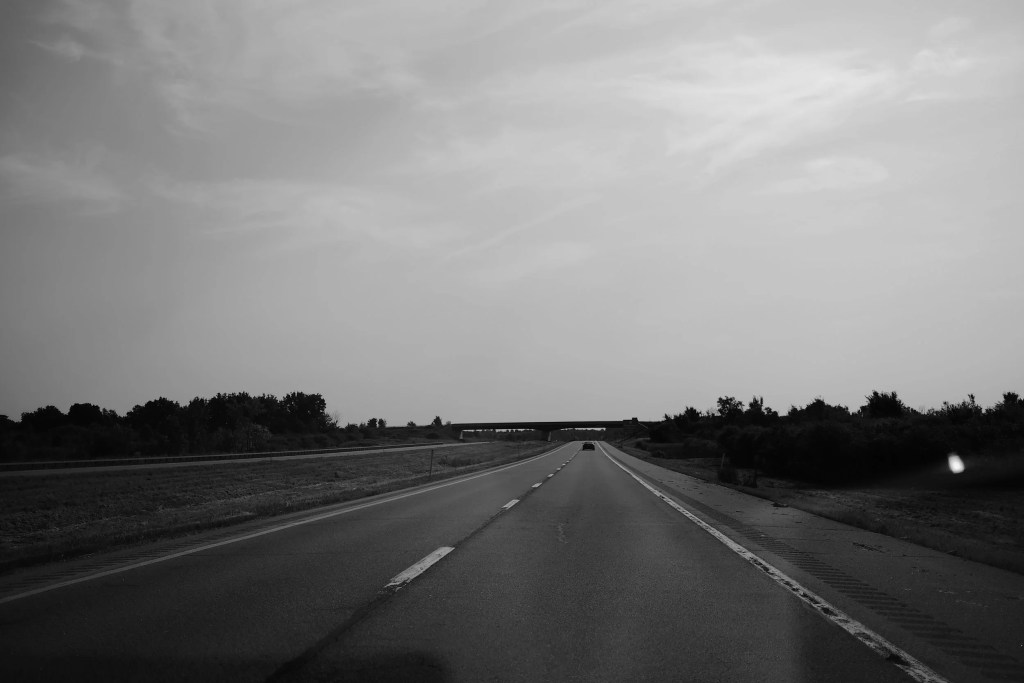
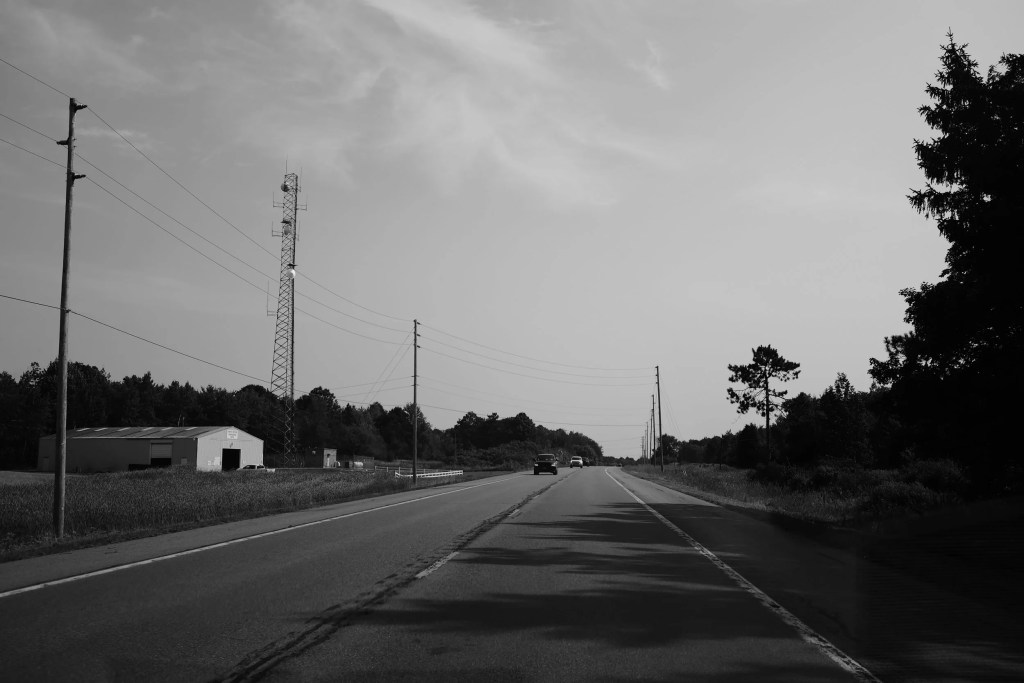
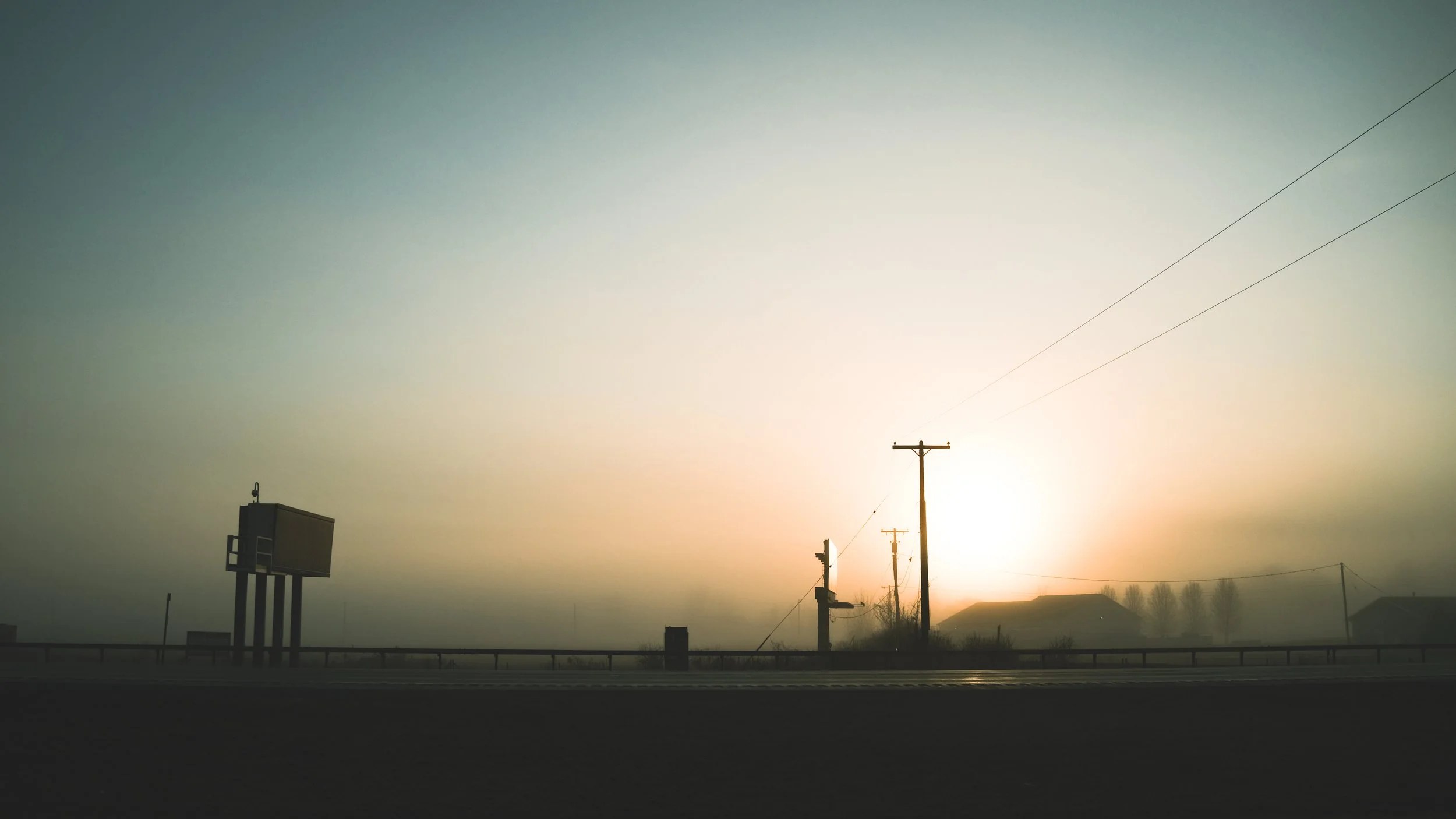
After 200+ miles on the Gold Wing yesterday, I was ready to trade speed for something slower and more deliberate. That meant riding the Can-Am Spyder F3 with the Panasonic Lumix S9 readily available from the storage area above the handlebars. I was now ready to pull over quickly, make rapid U-turns, and navigate dirt roads without hesitation. All images are straight out of the camera without edits.
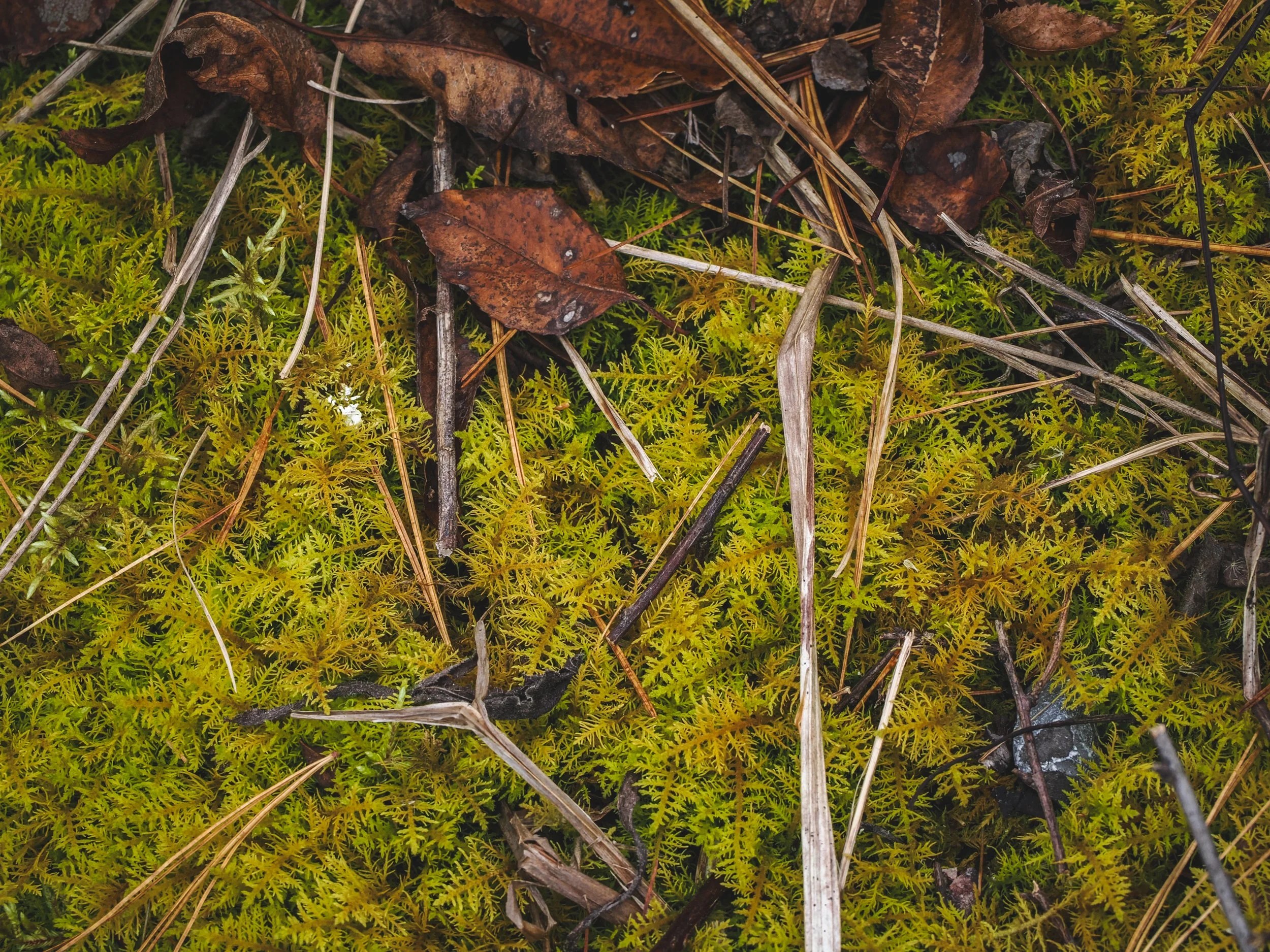
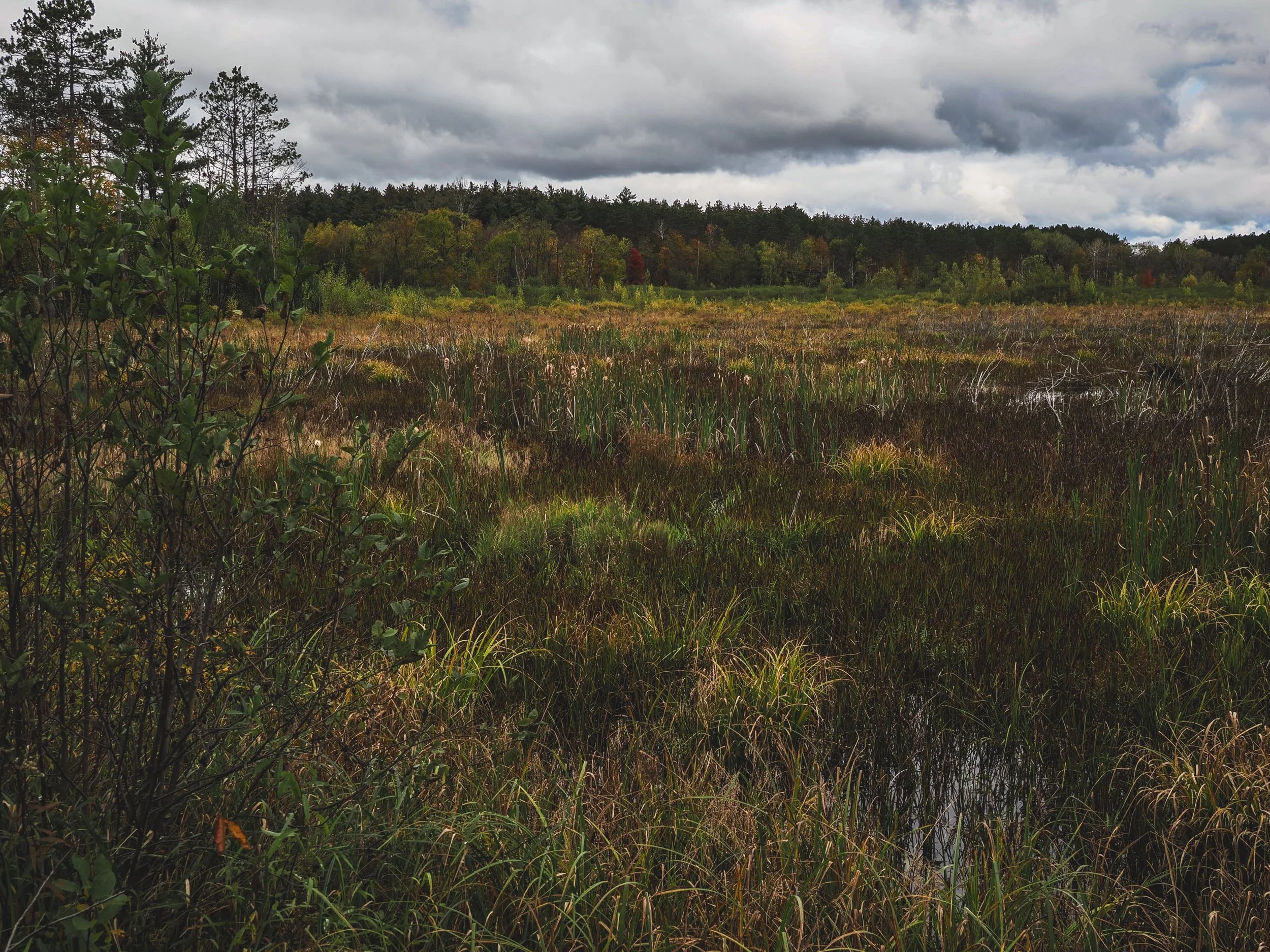
I don’t know exactly what this spot is called or what purpose it actually serves. But along route 104 as you approach the Happy Valley Wildlife Management Area, this quick pullover always provides something different as it goes from lake to swamp to field across the course of the Summer.
Happy Valley Wildlife Management Area
There are plenty of roads to travel within this area, but many are a bit too rough for the Spyder. I stayed only long enough to enjoy one of the main roads while also ensuring that I didn’t bleed out from all of the mosquitoes.
The Finger Lakes region has a way of hiding its best moments just off the main road—you simply have to be willing to wander a bit to find them.
Autumn was settling in when we visited here in early October of 2022. The trees were beginning their quiet annual negotiation: each leaf slowly sealing itself off at the stem, an invisible abscission layer cutting it free from the branch that fed it all Summer. The result is the show we wait for all year—chlorophyll fading to reveal the golds, ambers, and rust-reds that were hiding underneath all along. It’s less an ending than an unveiling, and it’s reason enough to slow the car down and just look.
The cliché is that Kansas is flat and you can see for miles. The truth is that the cliché is correct.
A long, considerably straight drive eventually delivered us to the Pleasant Hill Cemetery to offer our respects to relatives.
Before leaving, I spent several minutes standing in the middle of the intersection, photographing the scene in every direction—two intersecting roads, one small seemingly abandoned building, and about 50 headstones. It felt strangely unnatural. From childhood, we’re taught that the middle of an intersection is precisely where we should never linger. Cross quickly, stay alert, and don’t become part of the traffic report. But in Green, Kansas, where the Pleasant Hill Cemetery is located, the rules seem a little different. You can see approaching traffic from so far away that you have ample time to finish your photograph, check your camera settings, reconsider your composition, and perhaps even contemplate a few of life’s bigger questions before a vehicle arrives. The intersection may not have been designed as a scenic overlook, but on that day, it served the purpose remarkably well.
And for the 90 (or so) minutes we were there, there was no traffic.
New Year’s Eve of 2011 was cold and rainy in Burlington, Vermont. Their First Night celebrations were taking place all across the city. Walking through the unpleasant weather wasn’t the most comfortable experience so the appearance of a small bar on the path between venues was a welcome sight and served as a place in which to take cover for a few minutes and brace for the rest of the evening with a beer.
The place was clearly not a tourist destination and some obvious locals were filling a few of the spots along the bar.
Deeper into the bar, neon signs, video games, a pool table, and an American flag graced their presently ignored back room.
The sight screamed for the need to be photographed!
On that night in 2011, my gear included a Pentax K-5, fastened to a SMC Pentax-DA* 16-50mm F2.8 ED AL [IF] lens. I adjusted my settings and captured three, 2-stop exposure-bracketed RAW images at ISO 1250. It was one of those moments which every photographer has periodically when you simply can’t wait to extract the images from the camera to see what you were able to capture.
However, the HDR and image processing tools available in 2011 were at the early stages of development. Combining the images and generating a final photograph was no easy task. So when I was finally able to work with the photographs several days later, I can recall spending several hours fussing with software and settings before I finally found a look that fit that specific moment in the bar. The final image turned out to be one of my absolute favorites.
Today, 12 years later, I’m in the process of assuring my sizable Adobe Lightroom library is backed up to all the proper places and I happened to rediscover this final image and its original RAW files. I just had to see what today’s tools would do with yesterday’s images!
I pushed the original RAW files through the DxO PureRAW 3 application to create new versions of these images. PureRAW cleaned up the noise, compensated for lens distortions, and enhanced their sharpness and detail. Those new images were then combined into a final image using Adobe Lightroom Classic’s built-in HDR photo merge function. That function does a much better job of compensating for shifting content across multiple, merged exposures than the software of 2011.
The total time for all of this work was no more than 10 minutes.
From there, I made a few very modest adjustments to the image exposure. And because I was feeling nostalgic, I added a frame to the photo, just as I used to frame all of my photos, using Adobe Photoshop.
This new creation is pretty impressive and also goes into my list of my most favored images. For me, the original image has grit and character that match the feel of the bar and the new image has a better display of reality, conveying the actual look of that moment as I recall it to have been.
But I love them both and they do an equal job of bringing the memories of that moment to light. I hope that you enjoy them too.
Both images are added below so that you can click on them for a full-screen view, quickly switch between them, and compare their differences!