



The Geological Story of the Falls at Sioux Falls
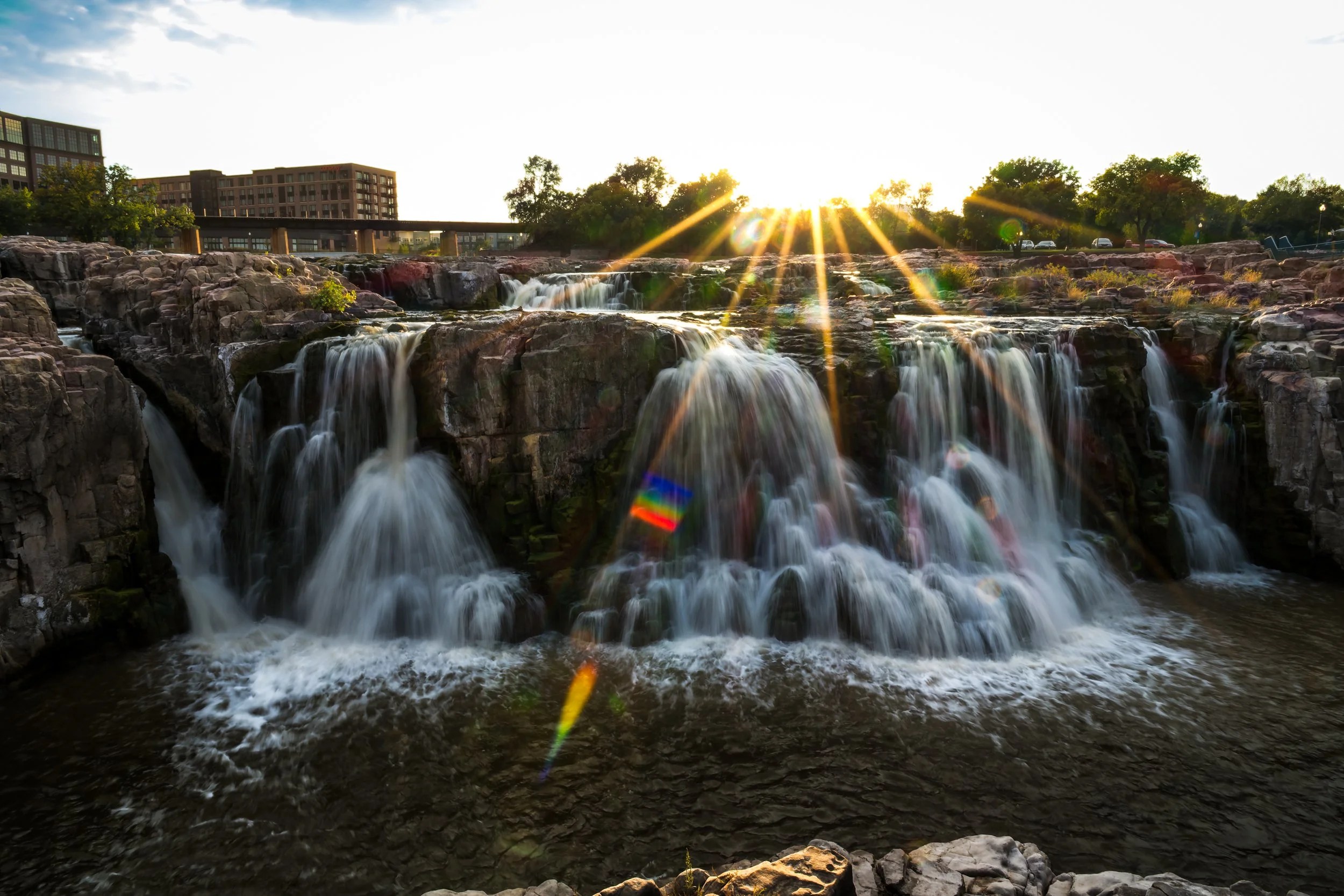
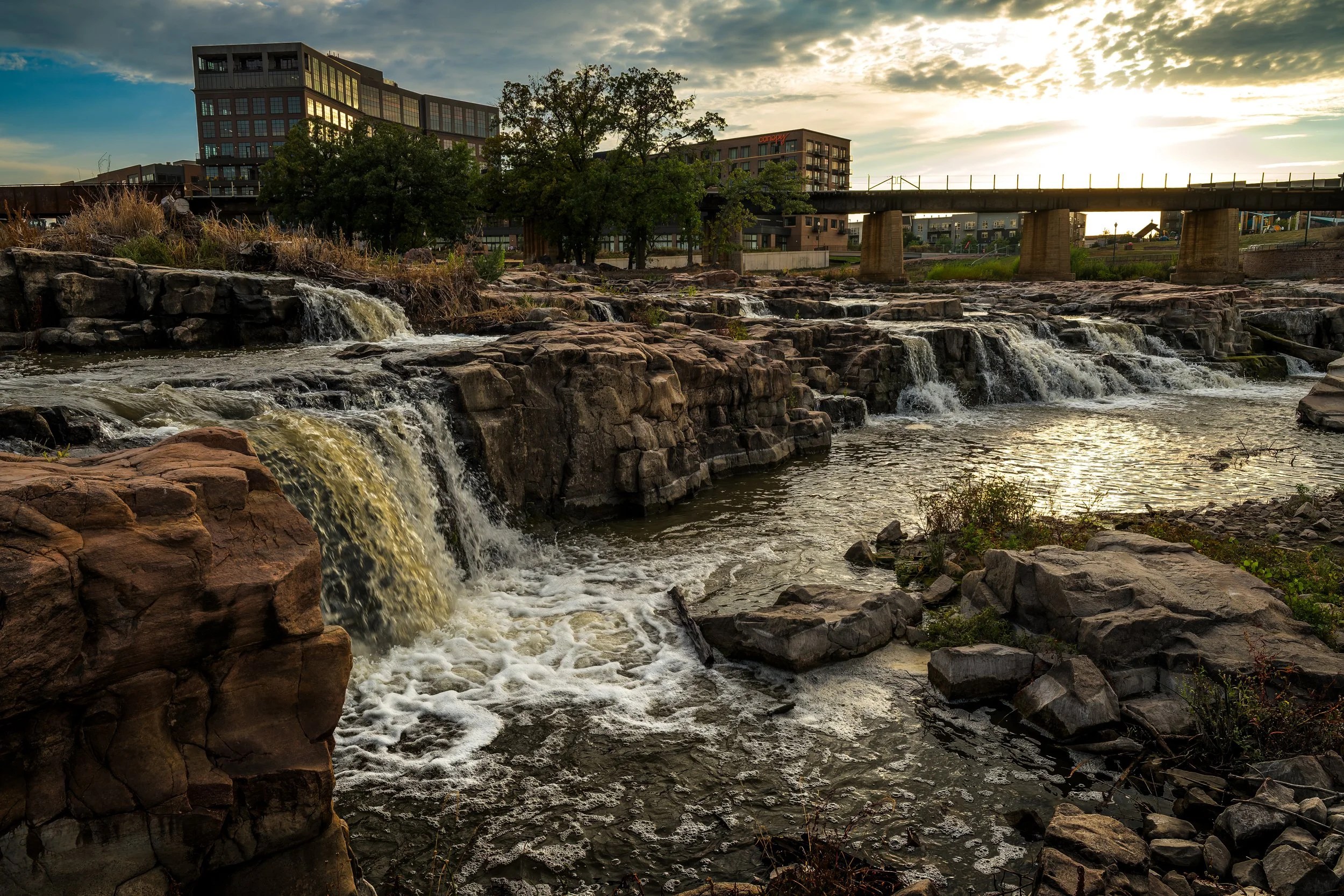
At first glance, the waterfalls in Sioux Falls appear to be exactly what their name suggests—water dropping over rock along the Big Sioux River. But the scene visible today is actually the result of a long and complicated geological story that stretches across billions of years. The falls are not simply a river feature; they are the meeting point of ancient stone, glacial forces, and a relatively young river landscape.
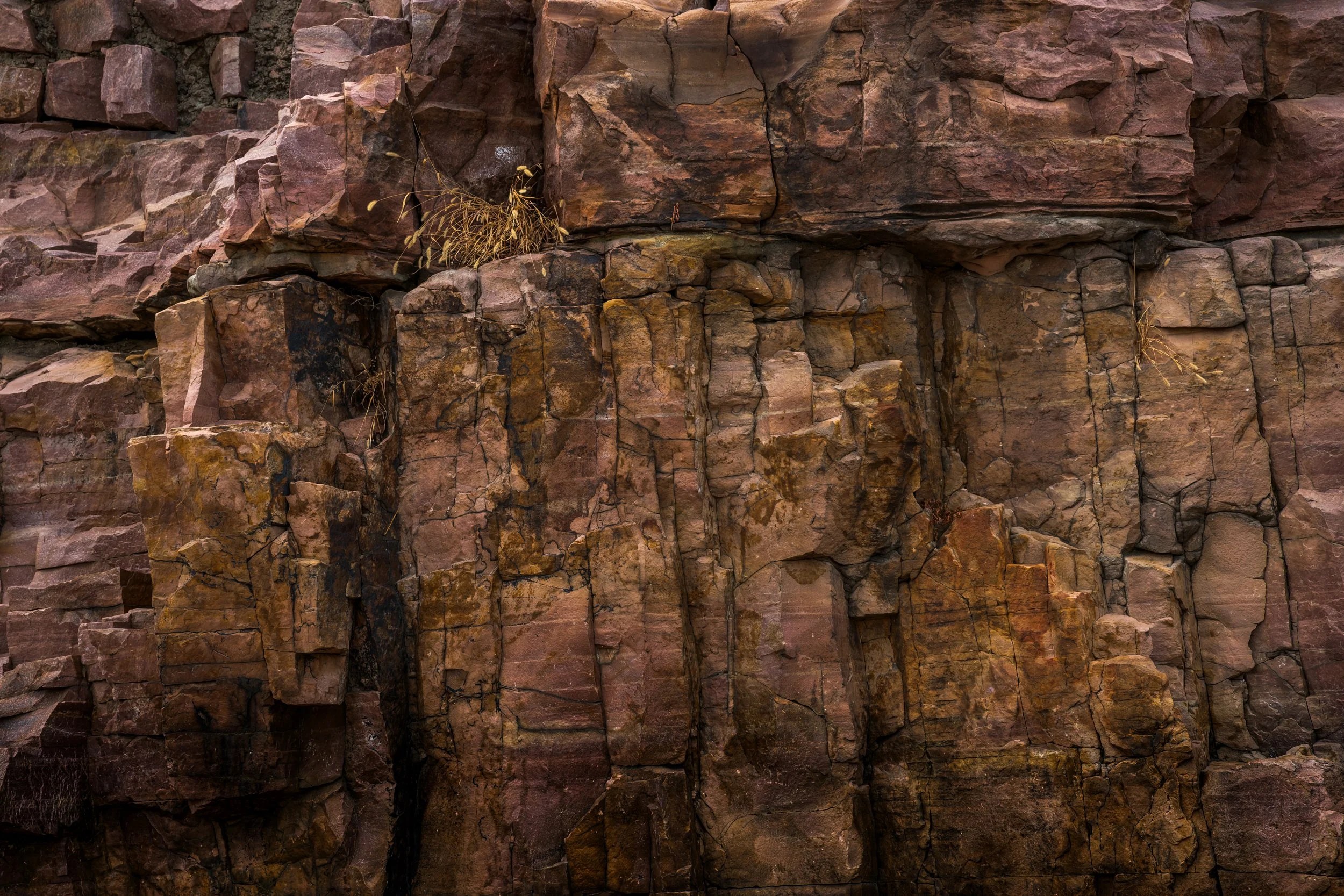
The bedrock that forms the falls is known as Sioux Quartzite, a striking pink stone that underlies much of the region. This rock began as ordinary sand nearly 1.7 billion years ago, when the area was part of a shallow ancient sea. Over immense stretches of time, those sand deposits were buried, compressed, and heated deep within the Earth. The individual grains fused together into one of the hardest rock types found on the continent: quartzite. Iron oxide within the rock produced the distinctive pink color that now glows in the sunlight and gives the waterfalls their unmistakable appearance.
(more…)


